Just over a year ago, one of my closest friends, Werner Schoitsch, died in a tragic avalanche. I met Werner in the early days of my company. He worked at ÖBB, and a joint IT project brought us together. We quickly arranged a meeting.
My fellow shareholders were already congratulating me: ÖBB was first a potential, then an actual, major client. They shared their prejudices, assumptions and stories. I did not care about others’ opinions. I believed in the technology and the useful, exciting projects we could build. Werner completely overturned the usual ÖBB stereotypes. I have rarely met someone in a regular employee role who identified so deeply with his work and company. I admired his commitment so much that I wanted the same attitude in my own business and team.
I learned a lot from him, and he from me. We worked through entire nights, for instance developing a platform for ÖBB Infrastruktur’s major construction projects. At three in the morning, emotions can run high, and we sometimes argued fiercely. But it was always about doing good work. Time together made us friends as well as business partners, without becoming cronyism. Werner would have been the first to end the partnership over serious failures.
As a trained alpine leader, Werner taught me a great deal about climbing and took me up the Grossglockner for the first time. He was active in Naturfreunde, with strong mountaineering and weather knowledge. After work, we often discussed avalanche reports and accidents. He loved his wife, two children and life, which he had given further meaning by building a children’s home in Nepal with his wife Anni. Werner avoided risk. Yet on 2 February 2018, tragedy struck just five metres beside a ski piste.
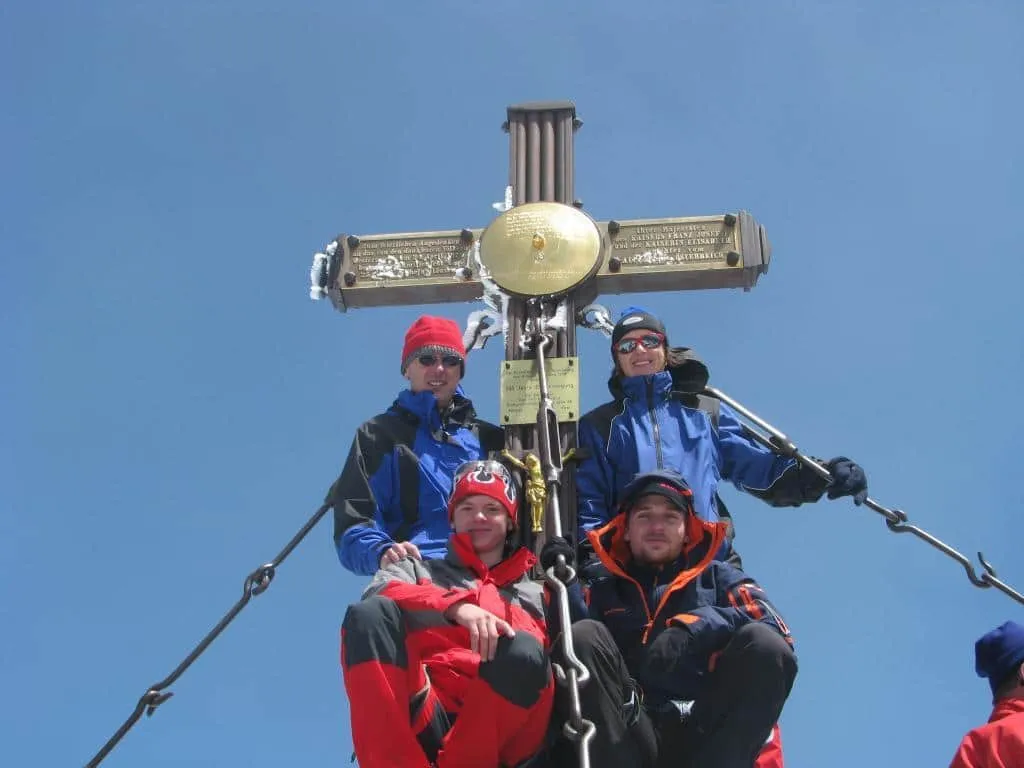
My first Grossglockner ascent with Werner and Anni.
I do not want to discuss the details of his death here. I want to address the frequent avalanche reports of recent weeks and months, and the vicious social media comments that accompany them, from “all idiots” to remarks about foxes dealing with the bodies in spring. The complete absence of empathy leaves me stunned.
Yes, it is legitimate to question the experience, equipment, attitude and risk tolerance of ski tourers or skiers. Understanding an accident and the financial aspects of a rescue requires it. But kicking people who are already down is unacceptable to me. Those affected have suffered enough. They have partners and children. It sends a chill through me to imagine my wife facing an internet full of hateful, empathy-free comments if something happened to me. Her pain would be multiplied. I spend around 300,000 vertical metres outdoors each year, in every season and weather. I drive to hundreds of customer meetings. Whether I died in an avalanche, a car crash or, without sport and #lifeworktrailbalance, a stress-related heart attack, the outcome would be the same: death. The judgements and expressions of sympathy around it would surely differ.

Werner took his last step in 2018, but his footprints will remain visible much longer. That is simply smarter.
Werner is dead, but through the SchoWe children’s home in Nepal, he created something meaningful and lasting. I try to work in the same spirit. My company had a record year in 2018 because we delivered real value to customers. A healthy profit followed. Ten per cent goes to SchoWe and mountain rescue, giving our work an additional purpose.
And keeping Werner’s memory alive.
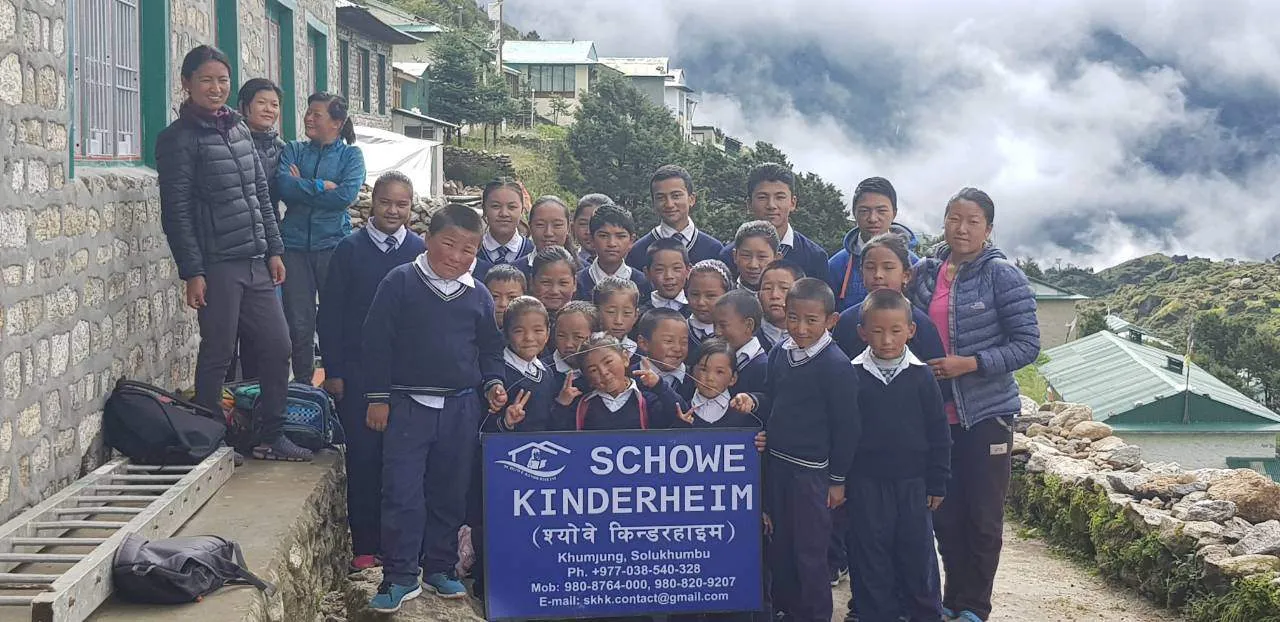
Werner’s life’s work: the SchoWe children’s home in Solukhumbu.
Interested in a talk?
On stage, I bring together my experiences as an entrepreneur and ultra trail runner: decisions under pressure, responsibility, and balancing performance, work and family.
Enquire about a talk