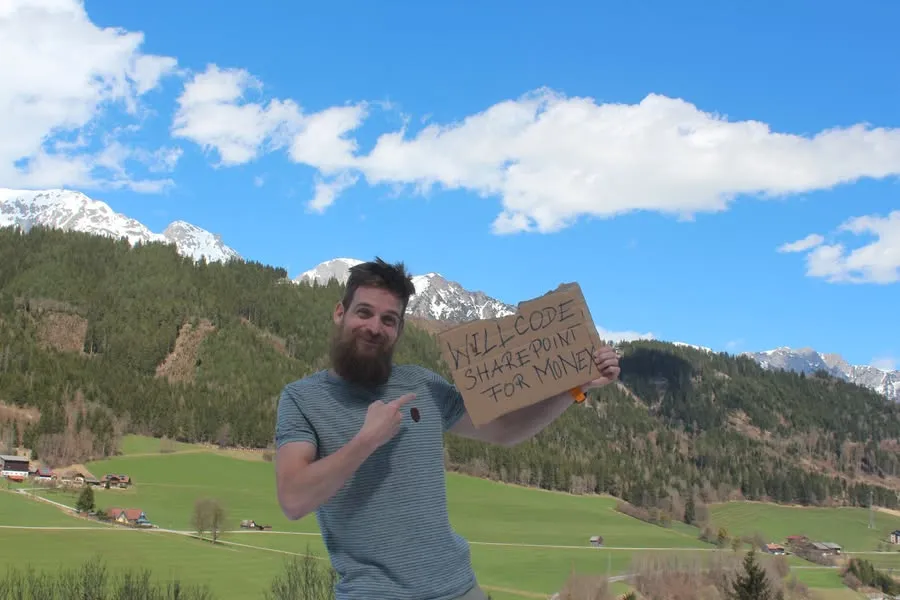
For several days, a report and its social media comments made the rounds: two snowshoe hikers rescued in winter wanted to sue the Tyrolean Mountain Rescue Service because they considered the €2,261 bill too high. They said the operation was excessive and that two people would have sufficed instead of three teams of five.
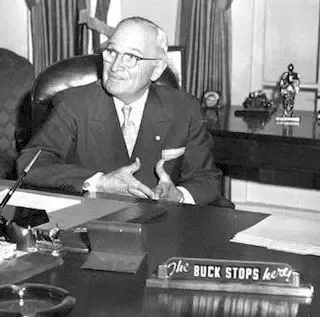
Stories like this remind me of the sign former US president Harry S. Truman (1884–1972) kept on his desk:
The buck stops here.
It means that responsibility will not be passed on. Truman’s presidency from 1945 to 1953 included the Marshall Plan to rebuild Western Europe, the Berlin Airlift, the Truman Doctrine aimed at the USSR, and the creation of NATO. In the post-war years, Truman bore considerable responsibility and accepted it.
There may be no better phrase to describe personal responsibility. We live in a time when finding someone else to blame for mistakes and failings seems to have become a fashion, even a sport. People rarely look for the cause in themselves.
I do not want to generalise. There are certainly plenty of self-critical people. Still, it is striking how often I hear that an ultra was not finished because the weather kept deteriorating or because of muscle problems. Rarely, if ever, do I read that someone had the wrong equipment or hear them admit that inadequate preparation caused the withdrawal. Something else always gets the blame: health, organisers, competitors or weather. Unless the organisers stop the event for safety reasons, a runner who fails to finish is primarily responsible for that themselves.
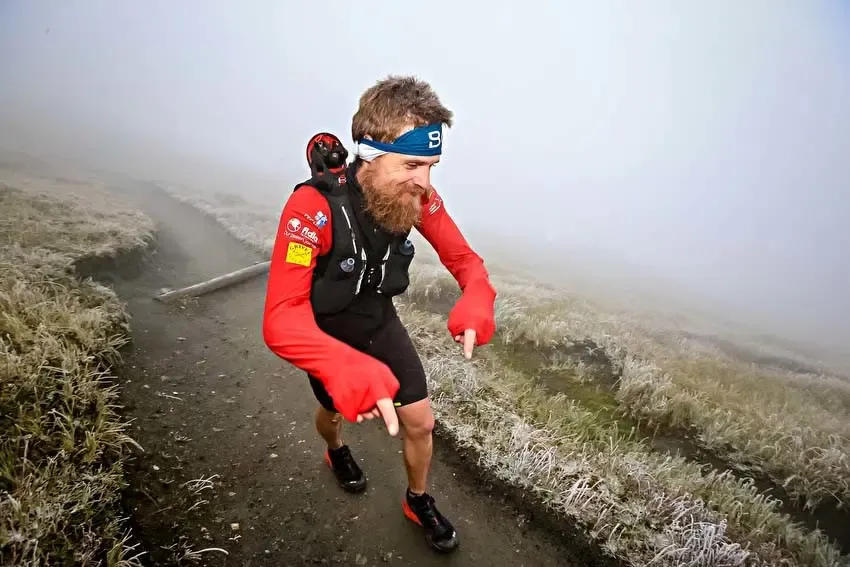
UTMB 2017: the conditions are the same for everyone!
We also follow this principle in my IT company. Trench warfare between users and developers, sometimes fuelled by generalisations, is common in software, with blame passed cheerfully back and forth. We are not immune to frustrating bugs, and mistakes happen wherever people work. But we try to follow Truman and let the problem stop here. We want to do right by our customers and deliver the best possible solution.
It is curious: why do we want responsibility, yet find it so difficult to deal with? Perhaps we played too many rounds of the blame-passing card game “Schwarzer Peter” as children. In any case, the two rescued hikers should be grateful that 15 people set out in early February to find and save them. Yesterday, Thursday, they agreed to pay the bill after all. Perhaps they should have added a donation to the Tyrolean Mountain Rescue Service. That would have shown gratitude and generosity.
And personal responsibility. Going through life with it is simply smarter.
Interested in a talk?
On stage, I bring together my experiences as an entrepreneur and ultra trail runner: decisions under pressure, responsibility, and balancing performance, work and family.
Enquire about a talk