A few days ago, I attended a Chamber of Commerce talk in Wiener Neustadt where Damian Izdebski presented his book and discussed his “best mistakes”. You may recognise the name: he founded Di-Tech, the Austrian computer retailer that operated 22 stores, employed 264 people and paid millions in taxes and contributions over the years. It went bankrupt in 2014, with creditors’ claims exceeding €35 million.
Izdebski described his rise from a one-man business to a market leader, and his steep fall. He said, more or less: “In the US, someone working in their front garden sees a Ferrari pass and thinks: in two years, I want a car like that. In Austria, the same scene prompts: I hope they catch him for tax evasion soon.” Envy may have to be earned, but nowhere seems to hand it out as readily as Austria.
I listened closely. Having almost gone bankrupt years earlier, I recognised much of what he said. I also thought of business coach Stefan Merath’s book “Die Kunst, seine Kunden zu lieben”. It describes a classic public double bind: someone who becomes self-employed and fails is considered a loser; someone who succeeds is considered an arsehole. Whatever the entrepreneur does, public perception is negative.
When I founded my company, my professional experience was limited. Some people around me probably wondered what I thought I was doing and assumed my plans would fail. I can imagine people today considering a Tesla company car unnecessary and arrogant, and taking satisfaction in seeing me fail. The familiar “I always knew that couldn’t work” would surely follow.
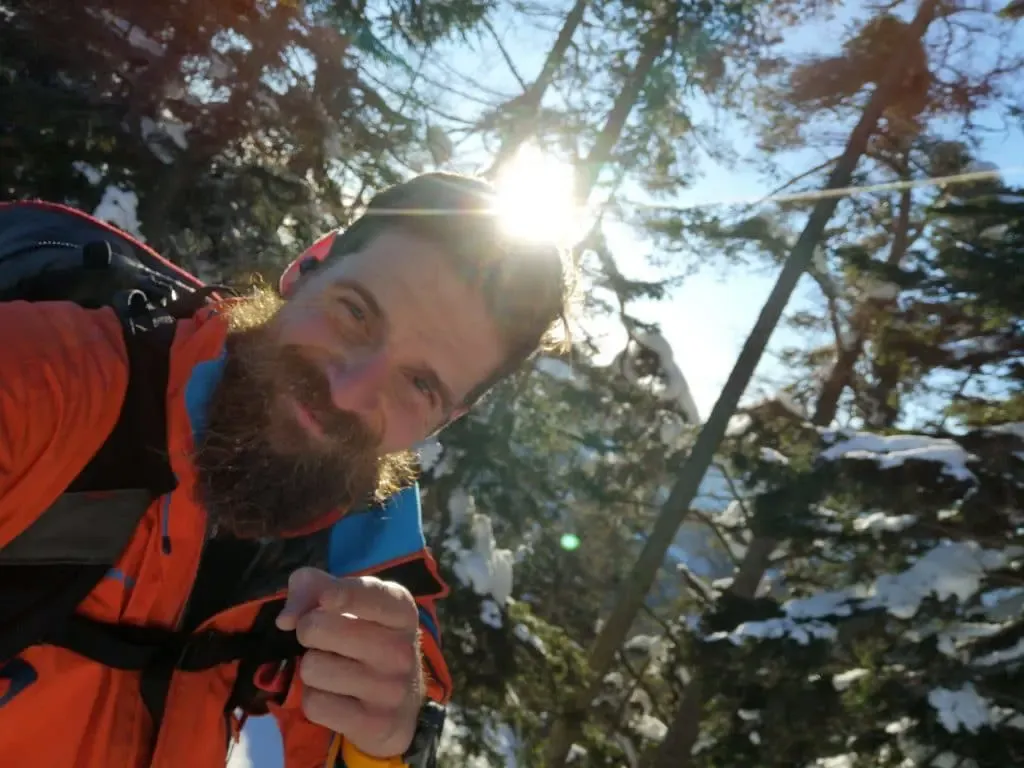
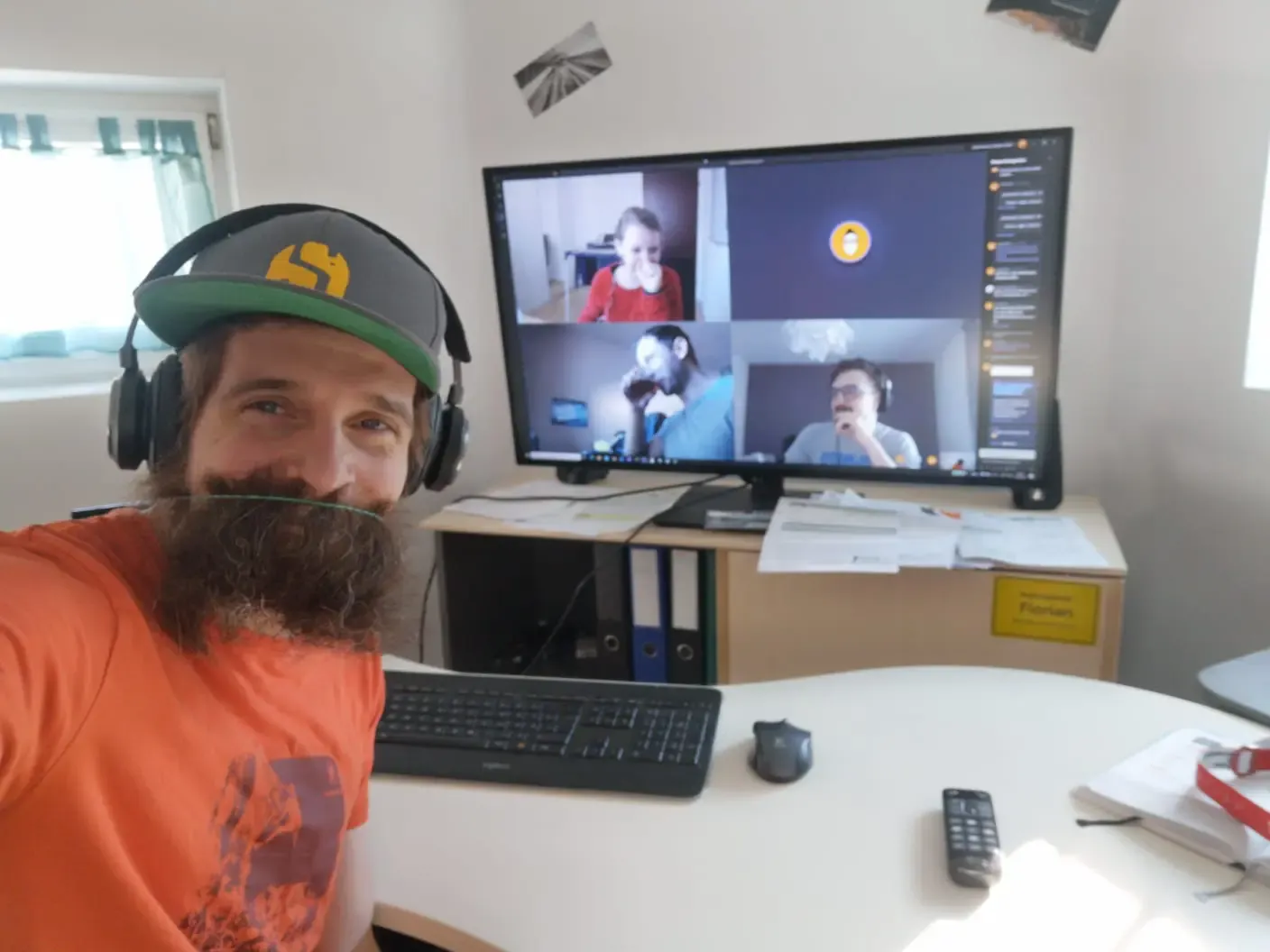
I am an entrepreneur responsible for seven employees and a trail runner with no DNF in my ITRA record, the official ranking of trail races. I must admit two early events are missing, but more on that another time. In my life, including my chosen and publicly presented #lifeworktrailbalance, I feel I must not fail. Looking more closely at what I do makes me swallow hard. There is considerable pressure.
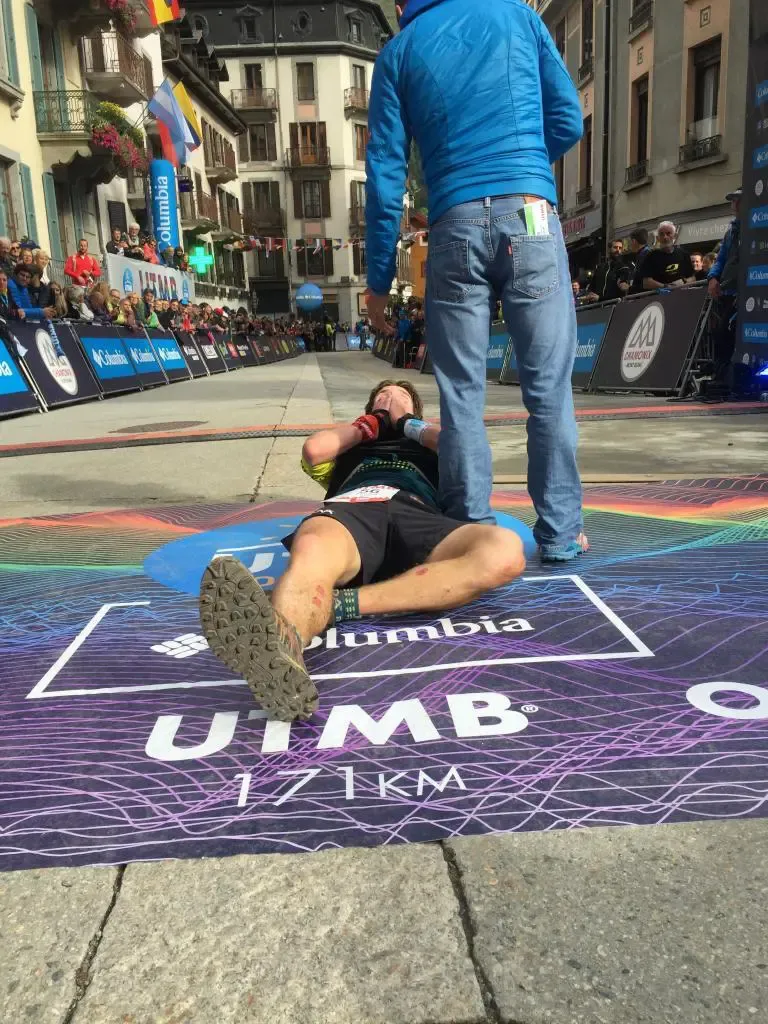
But failure is part of life. Relationships end, amateur and professional games are lost, work tasks fall short. There is the Peter Principle and Murphy’s Law. The likelihood of missing a goal grows with the length or difficulty of the path. A five- or ten-kilometre run reaches the finish sooner than a 100-kilometre or 100-mile ultra. Logical enough.
In sport, however, I find that failure is usually met with respect rather than gloating. “Stopping was the right decision”, “Health comes first” and “It will work next time” appear on social media.
Even those who miss the finish return from an ultra more experienced and mature. The culture around failure in recreational sport, nurtured and sometimes taken too far, could benefit Austrian entrepreneurship to a degree. A young entrepreneur whose first startup has failed would probably benefit more from an encouraging “It will work next time” than a mocking, useless comment.
Izdebski has founded another company, Techbold, and is starting again from the roots. He seems to have learned from his mistakes and is finding and reinventing himself.
That is smarter. That deserves respect.
Interested in a talk?
On stage, I bring together my experiences as an entrepreneur and ultra trail runner: decisions under pressure, responsibility, and balancing performance, work and family.
Enquire about a talk