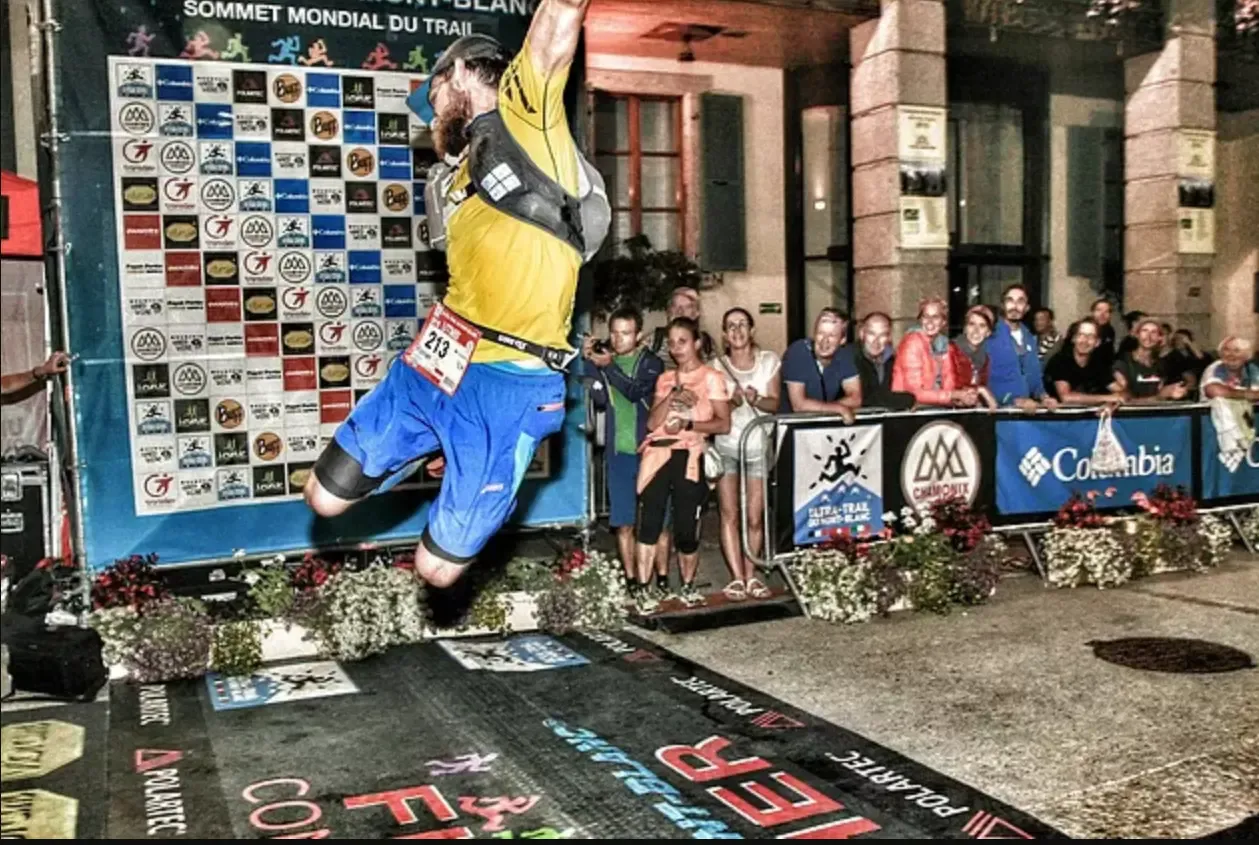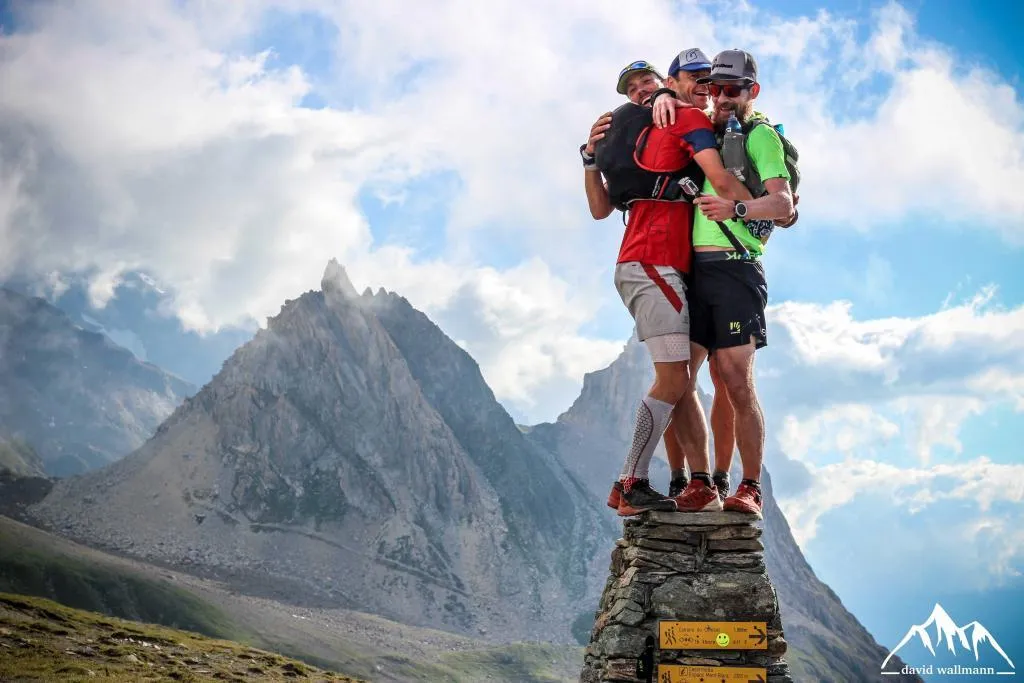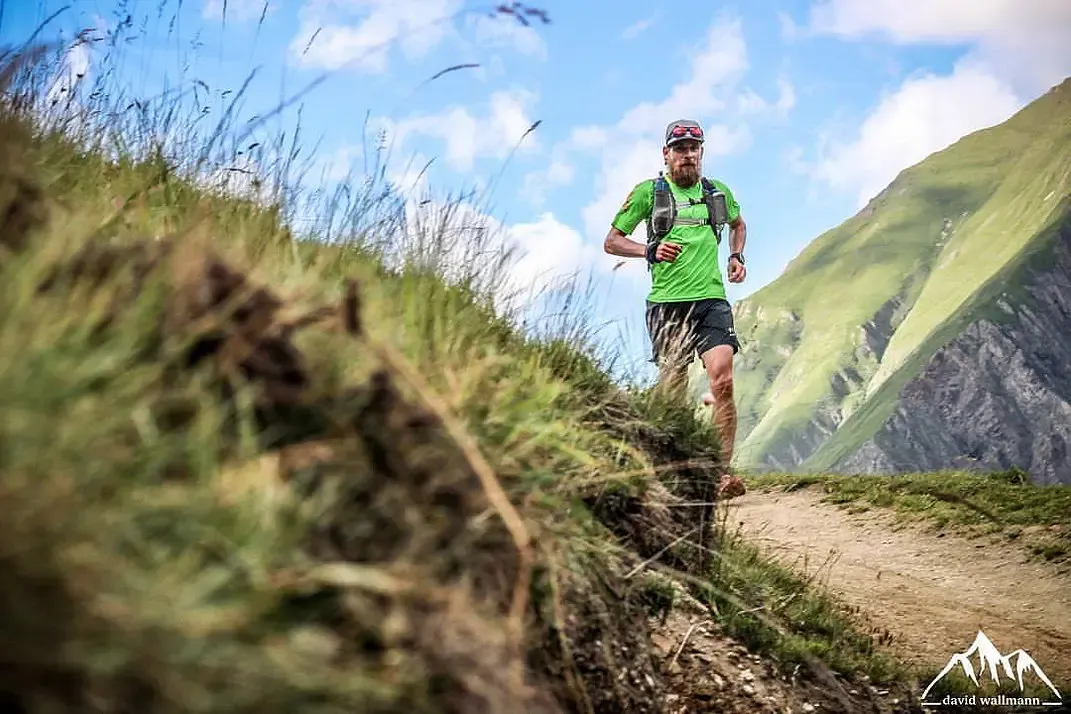
171 kilometres and 10,300 metres of climbing define this year’s Ultra-Trail du Mont-Blanc, held from 31 August to 2 September. Florian Grasel, Austria’s most prominent representative, reflects on his sport and life.
The UTMB is about five weeks away; this year’s Hardrock 100 is already history. France’s Xavier Thévenard was disqualified while leading after receiving support outside an aid station. Spain’s Kilian Jornet was absent, and American Jeff Browning won. I was not in Colorado. I have entered the lottery for one of 140 places three times without success.
Hardrock’s 161.7 kilometres and 11,000 metres of climbing have interested me for years. At 22, on holiday in Colorado, I wanted to climb my first 4,000-metre mountain and bought books to help. I chose Handies Peak at 4,284 metres. Years later, I discovered it was Hardrock’s highest point. Fifteen years ago it was a full-day mountain trip; now I want to run over it during a 100-mile race. How my limits have shifted!
With more climbing, an average altitude of 3,400 metres and technical challenges, Hardrock is harder than UTMB. Racing it would mark another milestone in a sporting life that began with marathons and Ironman events and now focuses on distances up to 100 miles. Those distances suit me: I want to improve and become faster. If I felt I was stagnating, I might try longer routes. Running across Austria non-stop, with very short sleep breaks, would be a dream: discovering how far I could go and how my body would respond.
Being on the move, enjoying nature, immersing myself in the activity and discovering how far my body can carry me: self-discovery motivates me most. But honesty demands admitting that competition matters too. At UTMB, I want to show what I can do. If this year’s race took 30 hours, nobody would make much of my performance, and I would have learned that less training or a different approach did not work. Why less training? Read more here.
I am neither a professional nor a semi-professional and earn no money from running. That gives me freedom: no sponsor to answer to, no need to chase win bonuses or prize money. Yet I still account for what I do on social media. Does it inspire imitation? If so, I hope those inspired share my spirit: sport, health and movement in nature come first, proving something afterwards. Run the UTMB because I do, by all means. But do not overlook the years of preparation it takes. If it is only about feeding an ego, I do not want to be a role model.
The coming weeks include our family trip to Norway and many sessions in my training area. When we moved home four years ago, I found a steep local hill: 111 metres of climbing over 500 metres. Ten ascents give 1,110 metres. Two years ago, I did 100 repetitions between Friday and Sunday: 11,100 metres. This grassy hill, above the Alpe-Adria pipeline towards Schwechat, is physically demanding, about 3:30 for a hard ascent and six minutes per kilometre on average, and mentally tough. Yet I can switch off, immerse myself and enjoy the flow, knowing it will end and return. Sometimes I want to stop, but push on, chasing satisfaction like an addict. Ultra training and racing consist of highs and lows, again and again.
People ask whether I would be stronger living near real mountains. I miss variety, and continuous 1,500-metre climbs in races can leave me gasping. Still, these necessary hill intervals seem effective. My 111-metre hill appears to build the mental strength to compete with people who could climb 2,500 metres daily on different routes.
If I reach Hardrock in 2019, 2020 or 2021, I know I could be strong enough to hold my own there too.
Topics
Interested in a talk?
On stage, I bring together my experiences as an entrepreneur and ultra trail runner: decisions under pressure, responsibility, and balancing performance, work and family.
Enquire about a talk