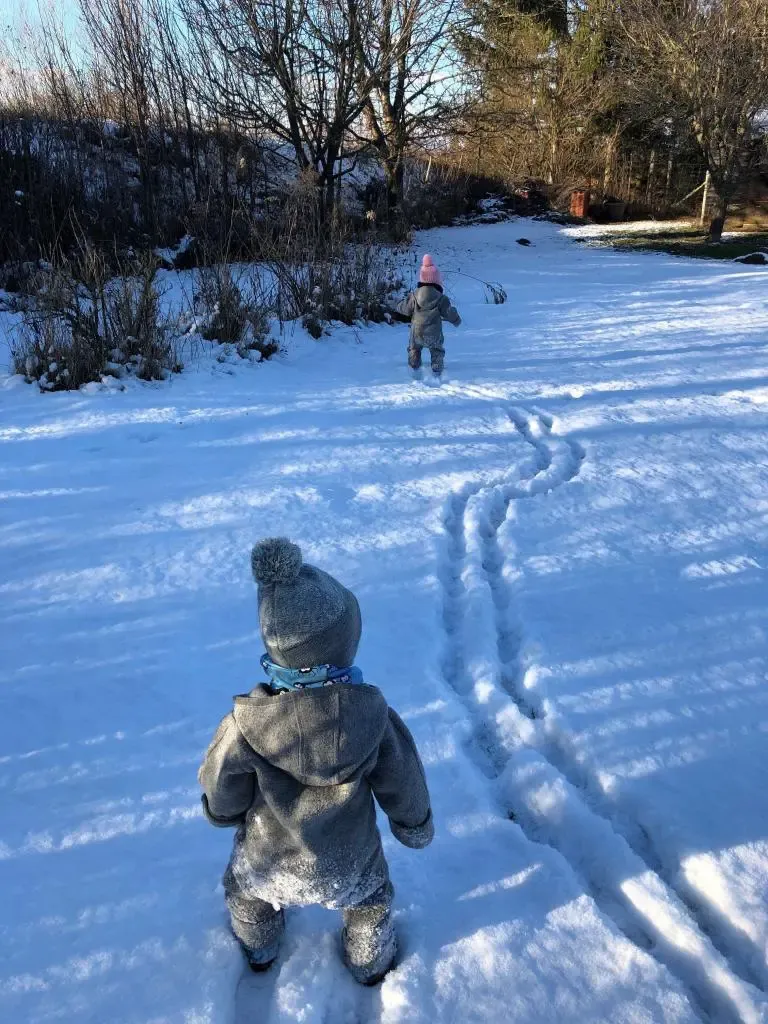
Performance shapes our time, especially at the start of a new year. Achieved goals are measured against expectations, and plans are made for the next business year. Revenue should rise, and profits too. Sport is much the same. If it is not about victories, perhaps it is returning to races where we have unfinished business. Faster, higher, further, everywhere.
I have a nuanced view of the Olympic motto “Altius. Citius. Fortius”. Without striving for performance, society would not have developed as it has. That development has not always been positive, but longing for stagnation seems worse to me. Striving is part of everyday life. The best examples are stumbling around my home. Our twins want to move, progressing from crawling to walking; they want to communicate and learn to speak; they want to learn and have their own, perhaps painful, experiences. The desire to improve is already within them.
Anna and Anton will go to school and keep learning. Then what? I hope they remain curious and hungry for knowledge all their lives, and I will support them however I can. Too often, we leave school or university believing we are fully prepared for life. From experience, that is true only up to a point. Learning must remain a constant.
In my company, we naturally strive daily to meet and exceed our goals. I mean more than finances: above all, productive work. We develop technologies for clients and want to provide simpler, better, faster tools. Continually pursuing perfection is a means to an end. Our customers pay for our work, and only the best should be good enough.
In sport, however, “faster, higher, further” deserves more caution. Often the motto seems to be “even faster, even higher, even further”. Exercise benefits the body; overdoing it harms it. That happens when goals are too high, understanding is inadequate or, the cardinal mistake, we are simply in too much of a hurry. Becoming an ultra runner takes more like six or seven years than one or two. Everyone wants to improve, but analysing performance data, annual plans and goals can take on almost bizarre proportions. That is only my perception, of course. Everyone chooses for themselves.
I must look at myself here too. Over recent years, I was first a good, ambitious recreational athlete and later a competitive athlete for whom trail running remained a time-consuming but pure hobby. My wife could tell you about it: I put almost all my free time into training and races. I analysed data and optimised sessions to squeeze out another tiny improvement at the next event.
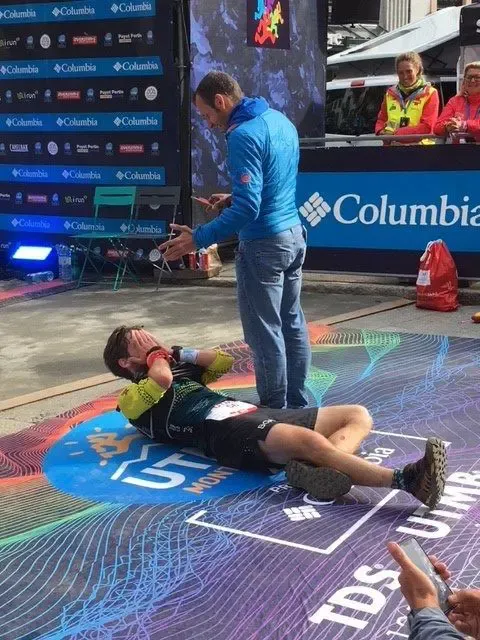
Everything given at the 2018 UTMB. Is there more?
The next step would be to pursue sport semi-professionally, if not professionally. That would support my annual goals and allow me to divide my time between work and sport with a clearer conscience.
Whether my circumstances change or not, I will not sacrifice #lifeworktrailbalance on the altar of passion and performance. I will not punish and destroy my body to the point where I cannot climb mountains with my grown-up children in old age. Everything must happen with proportion and purpose.
With that in mind: faster, higher, further — but smarter!
Interested in a talk?
On stage, I bring together my experiences as an entrepreneur and ultra trail runner: decisions under pressure, responsibility, and balancing performance, work and family.
Enquire about a talk