I was surprised by the clear result of my social media poll asking whether people wanted to read more about me as a trail runner or as a person. Eighty per cent were interested in more than the athlete. I am honoured that so many took the time to reflect and share their preferences. Thank you!
That feedback is both a brief and a source of motivation for this blog. Those who know me know how much I love my many-sided #lifeworktrailbalance. Sport matters greatly, but it is not my whole life. Work and private life can be exciting and challenging too.
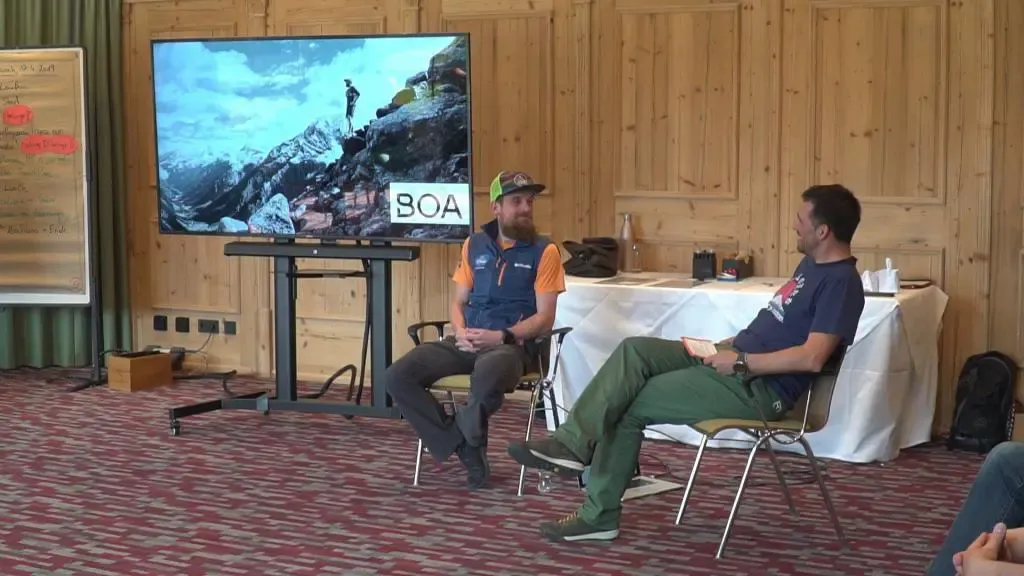
Recently, I spoke to managers from a very large company with well over a thousand employees. I will not hide the fact that I grew nervous as the event approached. Driving towards Saalfelden, I wondered what Florian Grasel, an IT entrepreneur with fewer than 10 employees, could tell people who led teams of dozens and departments of hundreds. How could I discuss leadership without stating the obvious, becoming banal or, worse, ridiculous?
One of people’s greatest fears is quicksand. It seems unbeatable: once trapped, there is no escape, and the harder you struggle, the faster you sink. Negative thoughts resemble quicksand. One becomes three, three become five, each bigger and more threatening. But there are mental strategies that offer a way out of negative spirals.
The priority is to interrupt obstructive thoughts, in sport or work. On the way to the event, I pictured a large red STOP sign. This far and no further, I told myself. Step back and assess the present situation, just as I had practised in sport and successfully used several times at the UTMB. My assessment was that I was travelling to a beautiful part of Austria, would have time to run, and could speak to a select audience that evening about my passion for trail running. I could explain MY conclusions for MY company. My responsibility was to illustrate my path and experiences, not to take senior managers to a new level of leadership or motivation.
The feedback afterwards was very positive. Perhaps some people found little connection with my #lifeworktrailbalance, and that is understandable. We all work differently. I only began drawing parallels between the parts of my life about two years ago, after learning I would become a father of twins. That prompted a deeper look at my existence. Suddenly, I saw that my company was struggling and I had not even noticed. We worked for work’s sake. Neither my employees nor I enjoyed it. You could say we were wasting our lives. Was that all there was?
Drawing a connection from successful sport to a professional life that needed improvement helped me think: if I could succeed in one area, I could succeed in another. I told myself my own story to strengthen my belief in myself.
Trail running, or sport generally, may not appeal to everyone, so my storytelling may not inspire you. Find your own emotionally meaningful stories. Perhaps you are a good gardener and saved a plant you thought was dead. Find stories that challenge beliefs such as “I cannot do this”, “I am not worth it” or “What can I do about it anyway?”
Go out and find your own stories. That is simply smarter!
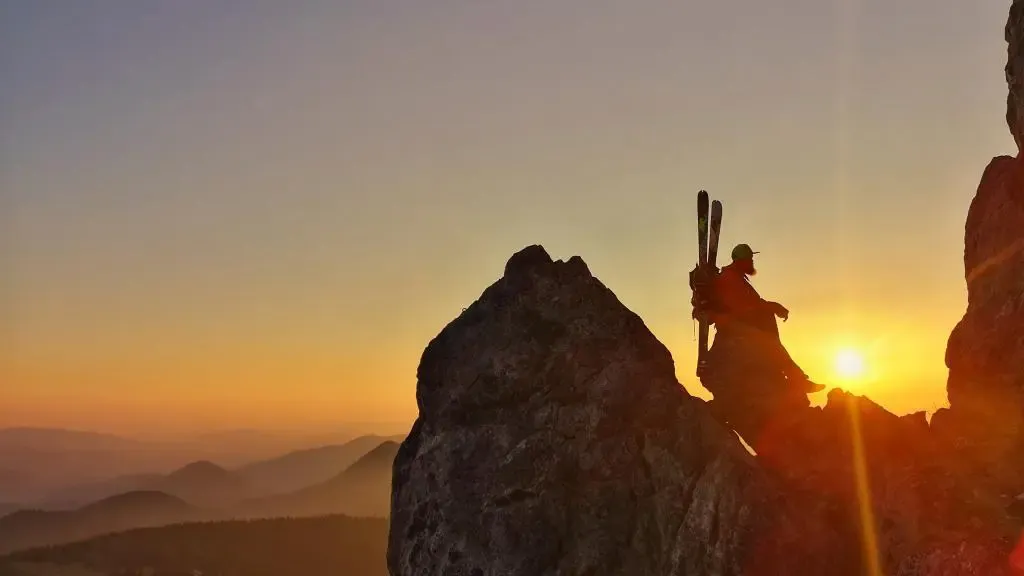
#lifeworktrailbalance goes on!
Interested in a talk?
On stage, I bring together my experiences as an entrepreneur and ultra trail runner: decisions under pressure, responsibility, and balancing performance, work and family.
Enquire about a talk