In times like these it is often hard to keep a clear head. Many questions remain unanswered. Companies are forced to a standstill. Many people are afraid of change. Apart from one single clear statement, #stayathome, nothing is certain at the moment. And so some hide from responsibility, withdraw into their shell and blame the corona crisis for their passivity. Quite a few companies bury their heads in the sand instead of becoming proactive and acting. But under adverse conditions, standstill can also mean going under.
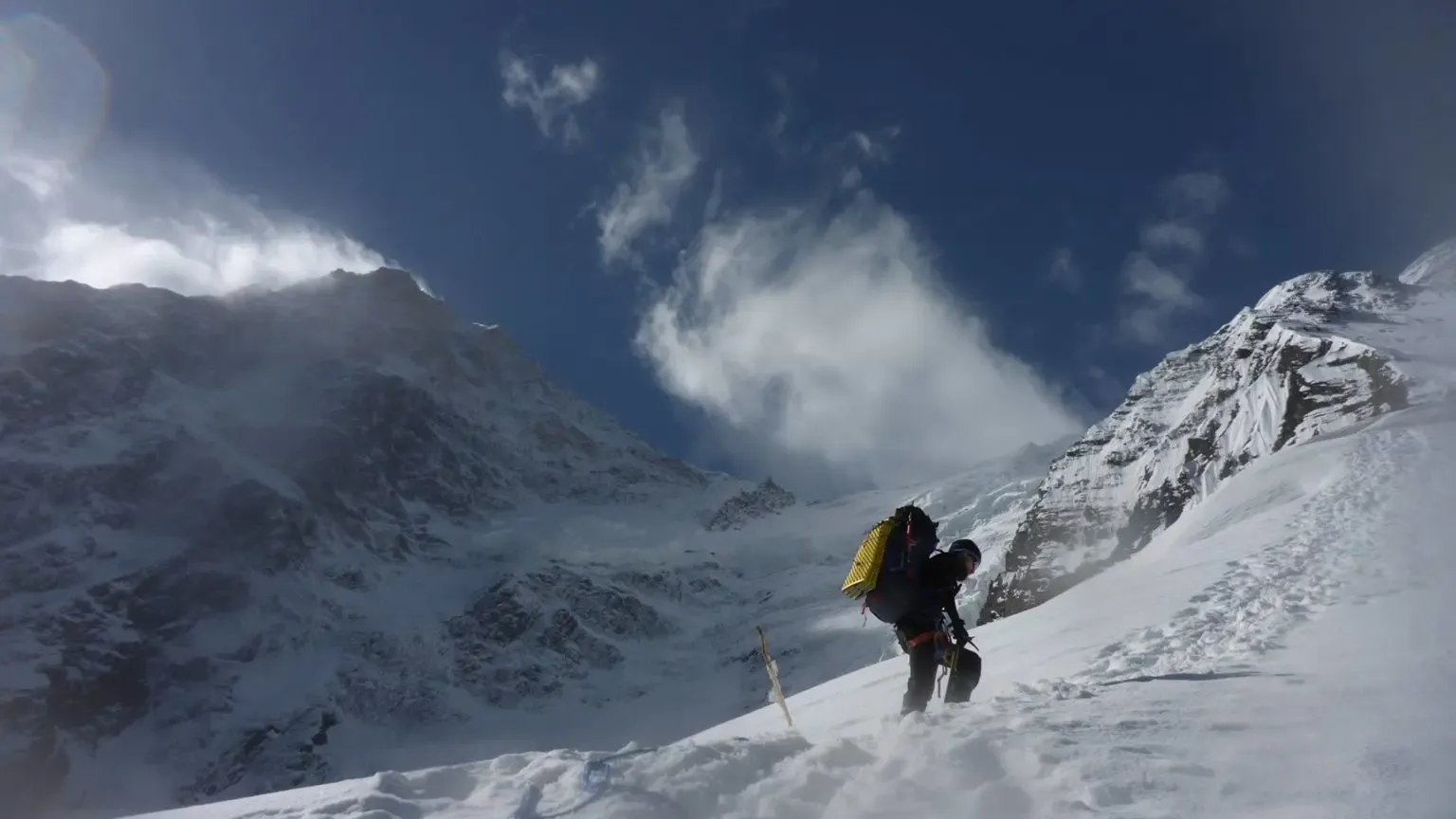
In the summer of 2016, during our Khan Tengri expedition in Kazakhstan, I also faced a decision with serious consequences. We were in the middle of the climb from camp one to camp two when the weather kept getting worse. Strong wind and continuous snowfall set in. The metre of fresh snow over the last few hours made breaking trail immensely hard. Centimetre by centimetre we first had to find the fixed rope and dig it out so that we could secure ourselves on a 45-degree flank. Three members of our team saw no sense in going on; they turned around and descended to camp one.
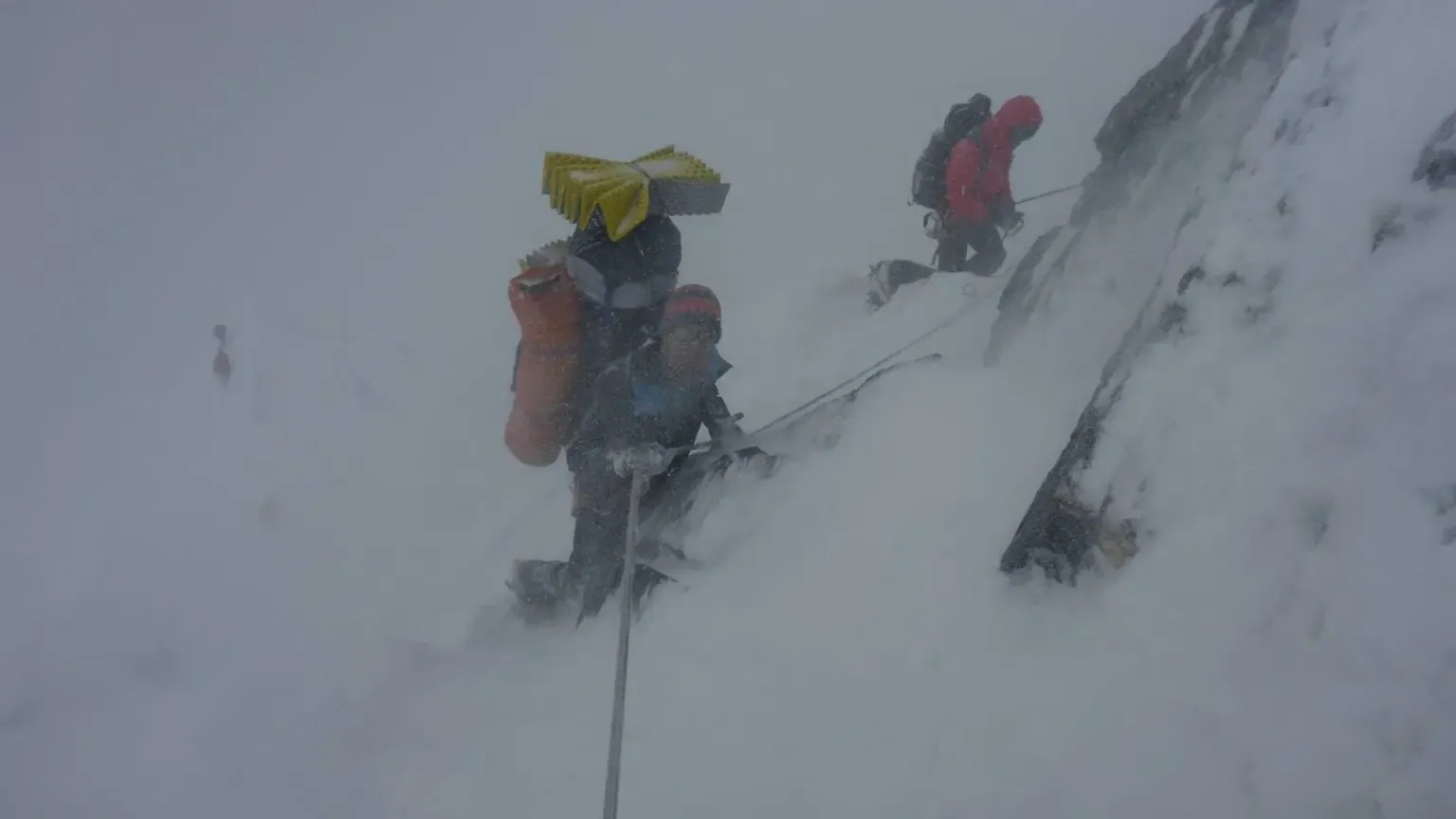
My friend Peter coped best with the adverse conditions and trudged on. I had done most of the trail-breaking over the last hours and was really exhausted. I had two options: descend as well, to the camp that was already safely set up, or keep climbing into the unknown, where no warm campsite would be waiting after the effort. There, a platform first has to be dug out, the tent pitched and snow melted before you can make hot tea. Measures that keep you from freezing. Exhaustion, a mild headache at an altitude of well over 5,500 metres and a slight lack of oxygen were setting in. I knew that staying motionless in this situation, sitting down in the snow and waiting for something to happen, would have catastrophic consequences. Forced to act, I followed my friend into the unknown towards camp two, without knowing whether we would even find it.
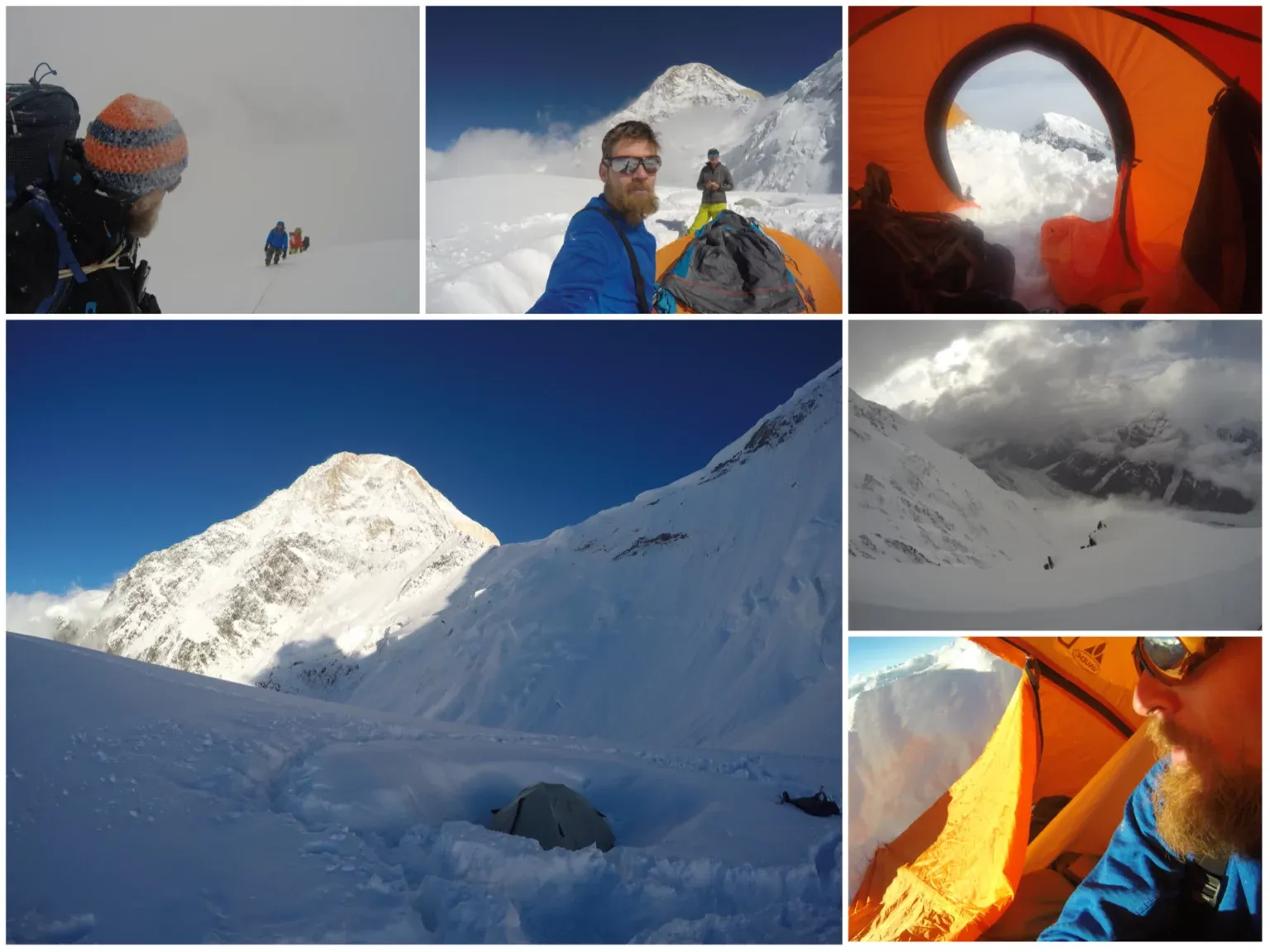
In hindsight the decision was not the best one, but it took many days before we were able to judge the whole situation and assess our actions rationally. We had made mistakes, but we had definitely not allowed a standstill. That is part of it too: sometimes you win, sometimes you learn.
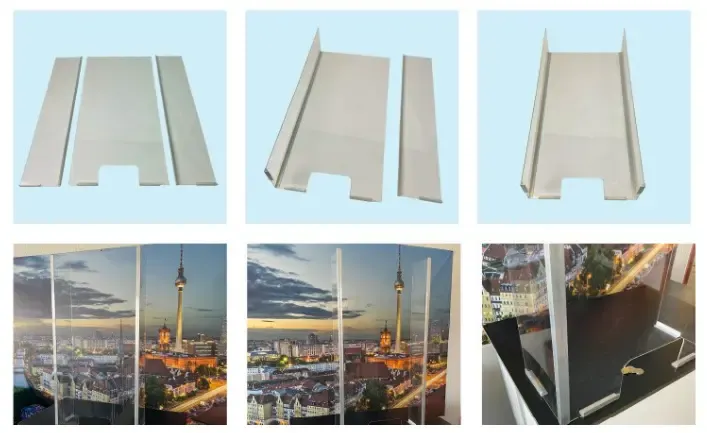
The same goes for the company Posso Marketing, which impressed me in the last few days. We had never done business with them, but their newsletter arrives at our office address, and it usually gets deleted unread. I do not know what made me read it this time, but it inspired me deeply. The company makes mobile exhibition systems such as folding displays, roll-up banners, folding walls and promotional counters. As anyone can imagine, nobody needs exhibition systems for events during this crisis, so Posso Marketing would actually have had to lay off staff and stop production. Instead, within a few hours the company forged a brilliant emergency plan and asked itself how to make a virtue of necessity and keep the company alive. Above all: how can we help in a meaningful way, contribute something and, ideally, protect people? Practically overnight they developed a sneeze guard for sales counters that protects both retail staff and customers in face-to-face contact. It can be set up in shops or doctors’ surgeries within a very short time. A great idea and a practical way to reduce the risk of infection in everyday customer contact.
How can you transform the business in your companies too? Instead of choosing standstill and decline, how can you act proactively and use the crisis for change? How do you handle B2B crisis communication? We are not only trying to look after ourselves and get through the crisis “somehow”, but to actively offer our customers ideas and solutions. We want to act, not react. Because acting proactively is simply smarter.
What the company looked like four weeks later is in Humour is laughing despite the crisis; Unternehmerweb traced the story in May 2020.
Interested in a talk?
On stage, I bring together my experiences as an entrepreneur and ultra trail runner: decisions under pressure, responsibility, and balancing performance, work and family.
Enquire about a talk