When victory becomes controversy
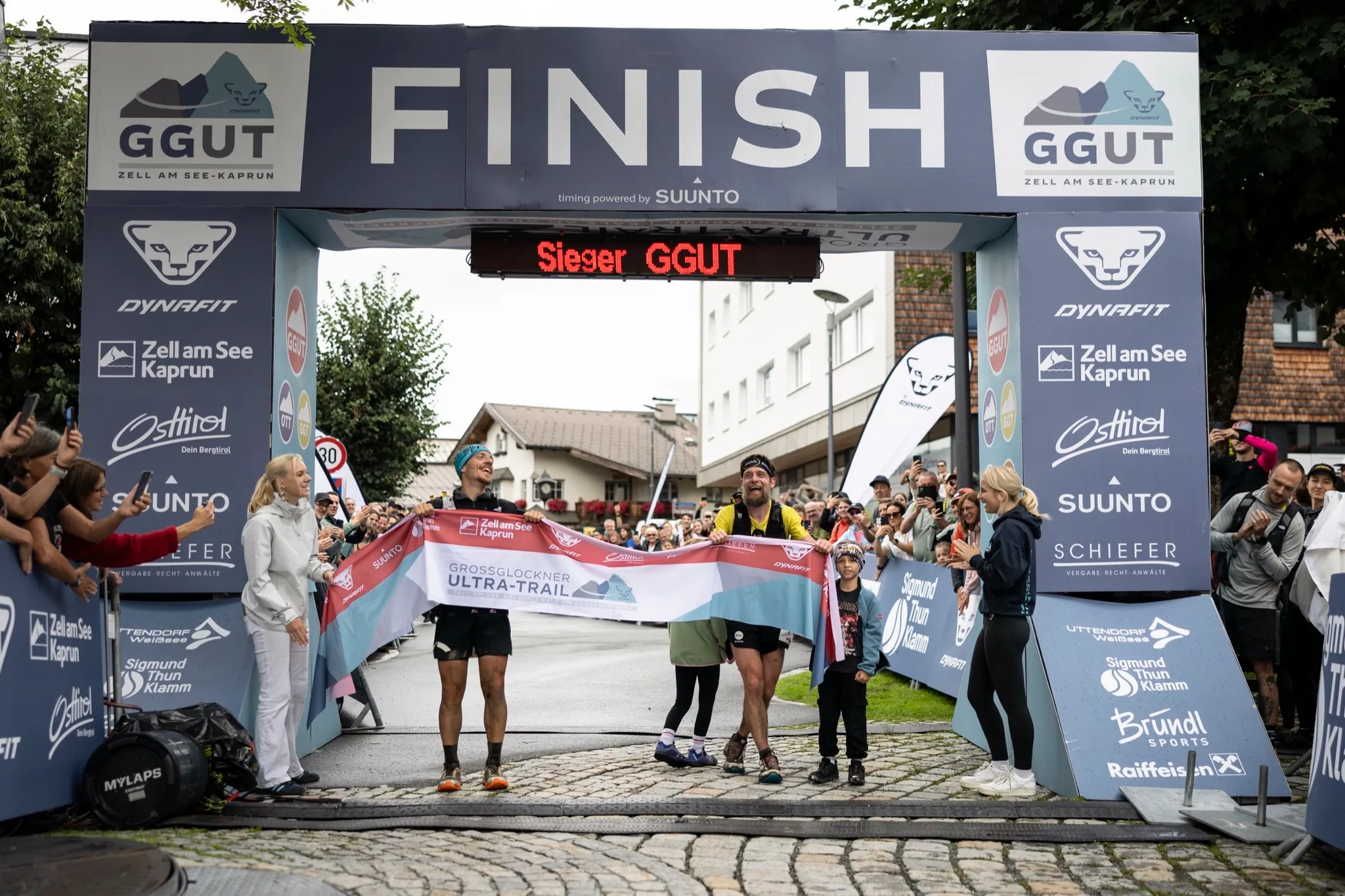
After my third victory at the Grossglockner Ultra-Trail 2025, I expected to feel joy and pride. Instead, a heated controversy developed around the decision to stop the race — and my role as one of only eight finishers among 1,500 starters.
The public statement I posted on Instagram and Facebook a few days later attracted considerable attention and divided the community. It was time to take responsibility and help make the discussion constructive.
The original Instagram statement
What happened out of sight
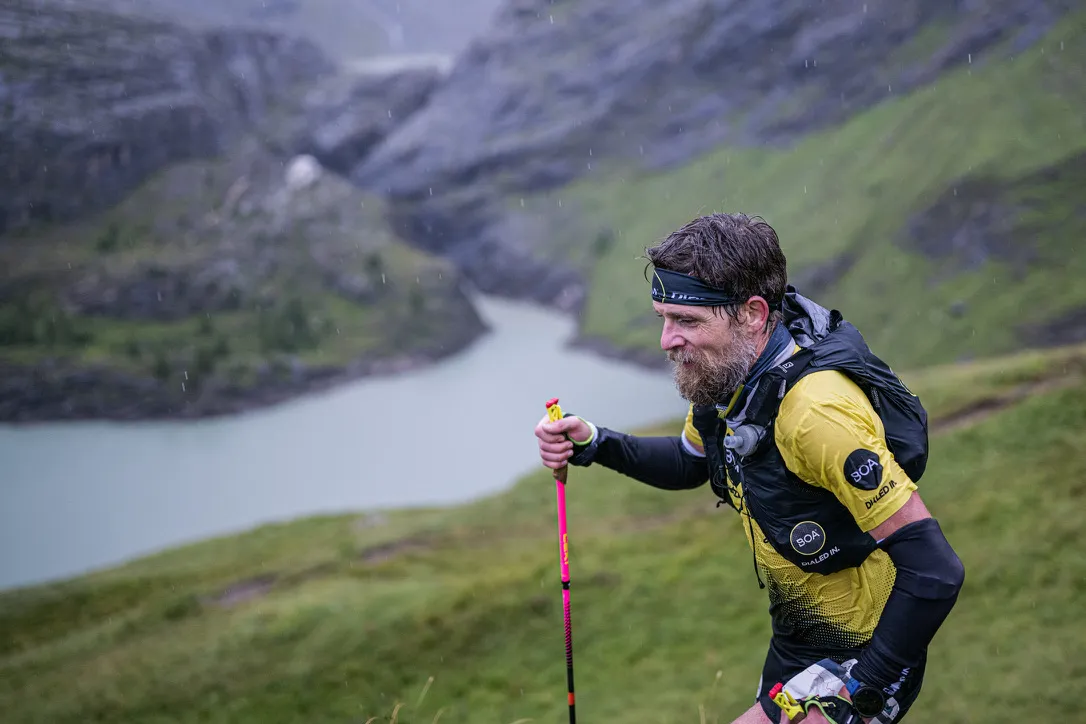
In my statement, I deliberately described the dramatic change in the weather that many people had not seen. The viral video from Glocknerhaus showed Mathias and me in short sleeves. Without context, that image was misleading.
What the camera missed
Fifteen minutes later, everything had changed:
- Hail and freezing rain
- Wind chill around 0°C
- Full protective equipment essential
- Virtually no visibility
On the descent from Pfandlscharte:
- No recognisable trail remained
- Only rocks, water and mud
- Mathias’s foot became trapped beneath a rock
- A 700-metre drop lay immediately beside us
This perspective from inside the race was essential to understanding the situation. When I reached Ferleiten, I was about to suggest stopping the race myself — only to discover that it had already been stopped.
Responses ranged from agreement to outrage
The comments reflected the full range of emotions.
Understanding and support
“Thank you for your statement. Yes, it is very frustrating… But I fully understand the decision to stop the race.”
“This is mountain sport, after all. Anyone who ran through the night can surely understand the race director’s decision.”
Criticism of the communication
“What leaves such a bad taste for me… is the lack of a statement or personal message from the organiser.”
“Updates like this are just insult against all other runners. GGUT team literally abandoned everyone…”
Criticism of the wider decisions
“Starting another race with 600 participants when it was already apparent that getting it through seemed almost impossible leaves a bitter taste.”
What could have gone better?
Having experienced crises as both an athlete and a CEO, I can see several communication failures.
1. Communication needed to be proactive
Participants often learned about the cancellation by chance or from other runners. All registered participants should have received an immediate SMS or email explaining the reason, safety measures and next steps.
2. Follow-up was missing
There was no official statement or apology from the organiser for days. A better response would have been a statement within 24 hours, a personal explanation of the decision, acknowledgement of the disappointment and constructive proposals for resolving the situation.
3. The rules needed clearer explanation
Many people did not understand why eight runners could finish while others were stopped. This called for a clear explanation of the timing, a transparent account of the safety situation and consistent application of the rules.
Seven principles of effective crisis communication
This situation offered both positive and negative lessons for business:
- Speed before perfection. Respond within hours, even if some details are still being established.
- Honesty and transparency. Explain what happened, why, and what action has been taken.
- Empathy. Take people’s disappointment and frustration seriously.
- Responsibility. Focus on solutions rather than blame or self-justification.
- Concrete action. Explain what will prevent a similar situation in future.
- Every stakeholder matters. Participants, media, partners and volunteers need information suited to their concerns.
- Follow through. Rebuild trust through sustained, open communication.
What I learned
As an athlete: my view as a finisher was only one perspective. A public platform brings responsibility to present a balanced account. Timing also matters: a statement can hurt people if it comes too early and lose relevance if it comes too late.
As a business leader: different groups have different needs. An honest assessment earns more respect than polished PR language. And when official voices remain silent, speculation fills the gap.
Returning the trophy
I decided to donate my winner’s trophy — a handcrafted replica of the Grossglockner summit cross — back to the organisers. It was a symbolic gesture:
- Solidarity with all participants
- Recognition of the difficult situation
- Respect for the hard decision the race directors had to make
Constructive improvements
Drawing on this experience and the community’s feedback, I would suggest the following.
For organisers: develop a crisis communication playbook, establish digital notification systems and follow-up procedures, and explain the rules transparently before the event.
For athletes: sharpen your awareness of risk, assess weather realistically, recognise the reasons behind safety decisions, and provide constructive feedback.
For the community: discuss disagreements respectfully, allow several perspectives, put safety ahead of performance, and show solidarity with everyone affected.
Growing through a difficult experience
This controversy was painful but instructive. It showed how quickly a situation can escalate when communication is missing, and why professional crisis communication matters.
My statement was an attempt to connect different perspectives and open a dialogue. Not everyone was satisfied, and that is okay. Taking responsibility mattered to me.
Wherever people work together, friction happens. Not everything goes perfectly, especially in the mountains. What matters is having the courage to do the right thing, even when it is difficult.
GGUT 2025 will be remembered for extreme conditions, but also for its lessons in communication and community management. Mountains > Medals applies to difficult discussions too. What ultimately matters is that everyone came home safely.
Further reading:
Contact me for talks on crisis communication, stakeholder management and leadership in difficult situations, drawing on real experiences in sport and business.
Interested in a talk?
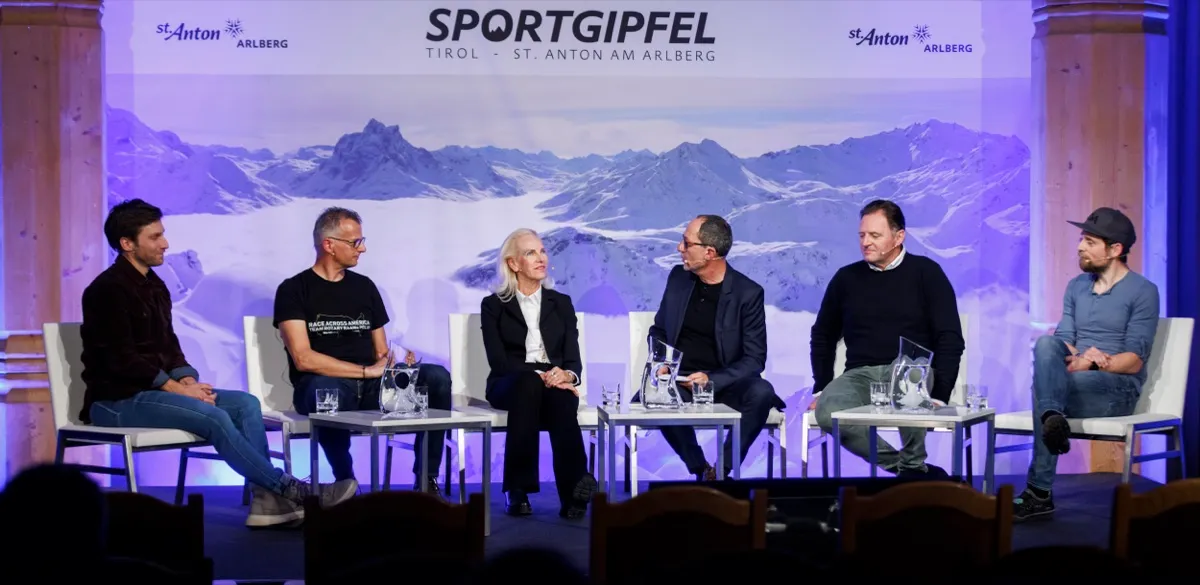
On stage, I bring together my experiences as an entrepreneur and ultra trail runner: decisions under pressure, responsibility, and balancing performance, work and family.
Enquire about a talk