Sometimes you need distance to understand a race properly.
In issue 4/2025 of Running & Fitness, Egon Theiner published an article that surprised me. I knew the story — I had lived it. But an outside perspective reveals things you cannot see when you are deep inside the experience.
The article sets two TOR des Géants experiences side by side: mine as a top-ten finisher, and Marianne Pfeiler-Opitz’s, who finished 632nd after 145 hours. Same route, same weather, completely different realities. I have read it several times, finding something different each time.
How to mess up a 330 km race before it starts
Honestly, preparing for the TOR was already an adventure. Family commitments, work stress, and at one point it looked as though I might not go at all. On the journey, I squeezed in a night at the Stüdlhütte near the Grossglockner, more for my head than my body.
Then, in the Aosta Valley, my ordered race nutrition had not arrived. I spent €200 on Enervit products at the expo. A good brand, certainly, but I had never tried them. I sorted drop bags until midnight.
Sleep and stress-free days before a 330 km race are overrated anyway, right?
Front row, centre — then reality
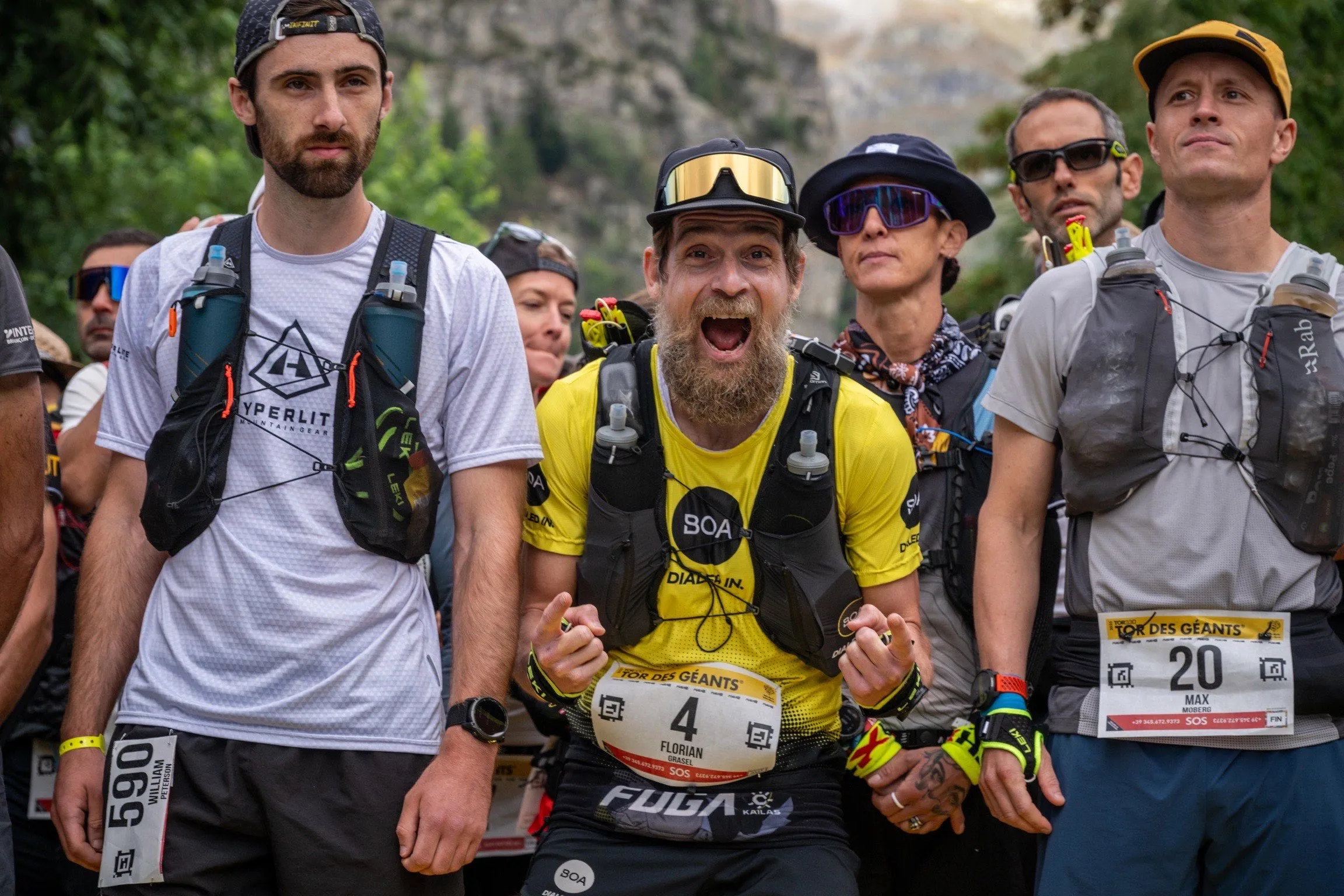
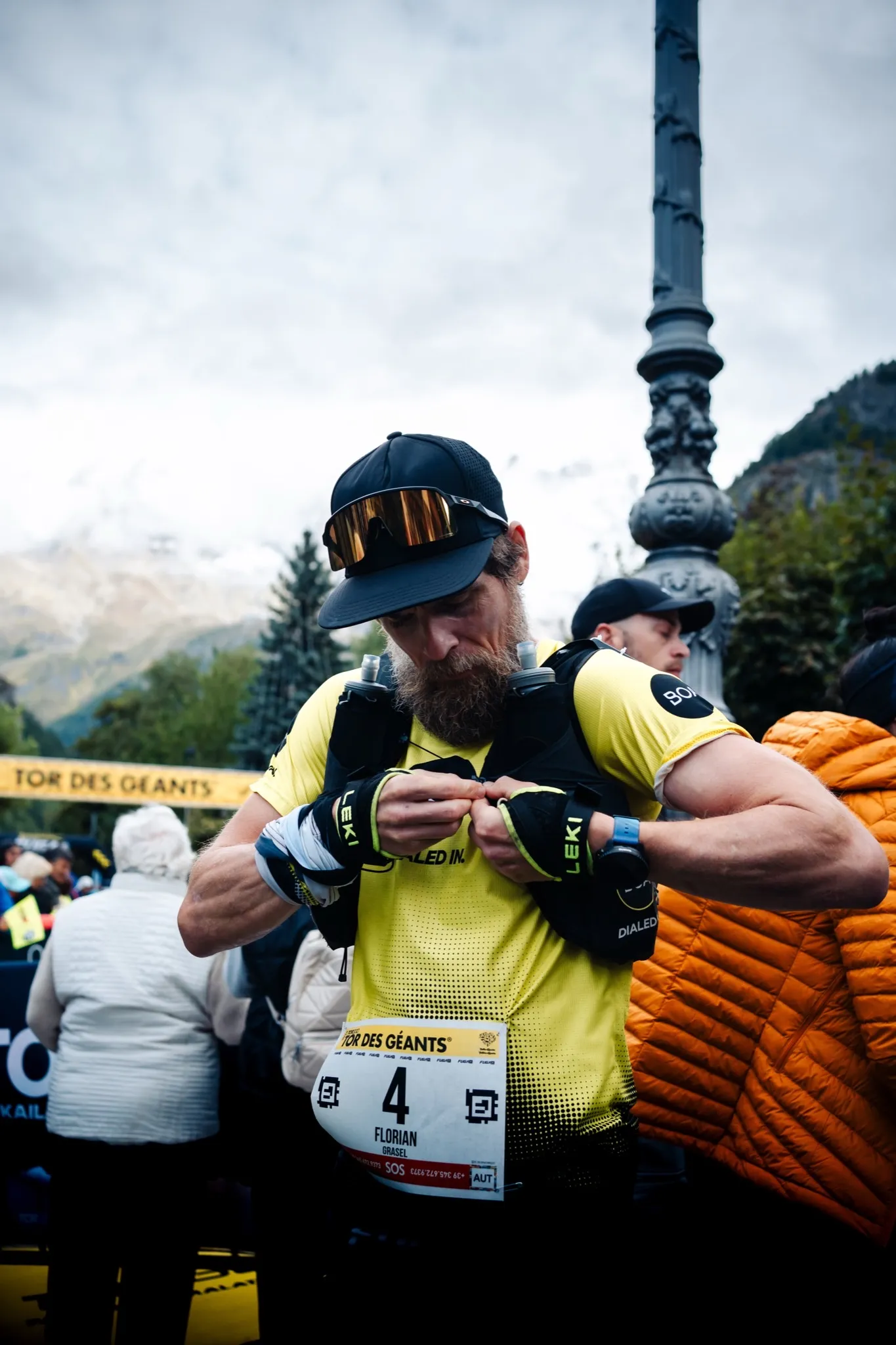
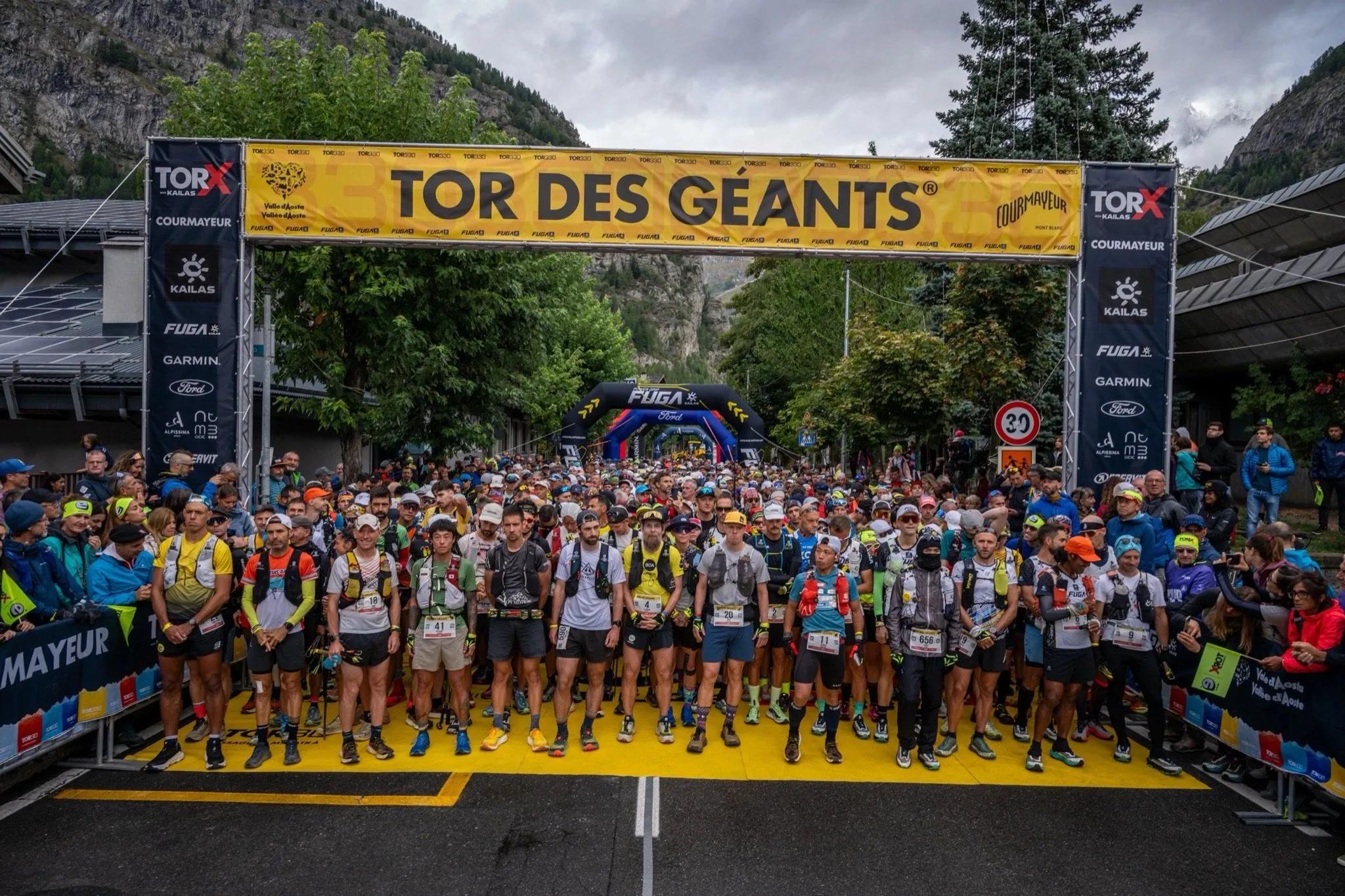
At the start, I shut out the stress. Front row, centre, convinced that everything would now become simple: run, eat and sleep very little. Training had gone well all year. Time to harvest the results.
Twenty-four hours later, roughly 150 kilometres and 10,000 metres of climbing into the race, reality hit. I kept seeing athletes being looked after by teams at every aid station, not just the big Life Bases. Everywhere. One runner covered a section with a waist belt, no pack and no bib. And there I stood with a carefully considered strategy based on a completely false assumption.
I had brought a knife to a gunfight.
I had prepared. What I had not understood was the TOR system. There is a difference.
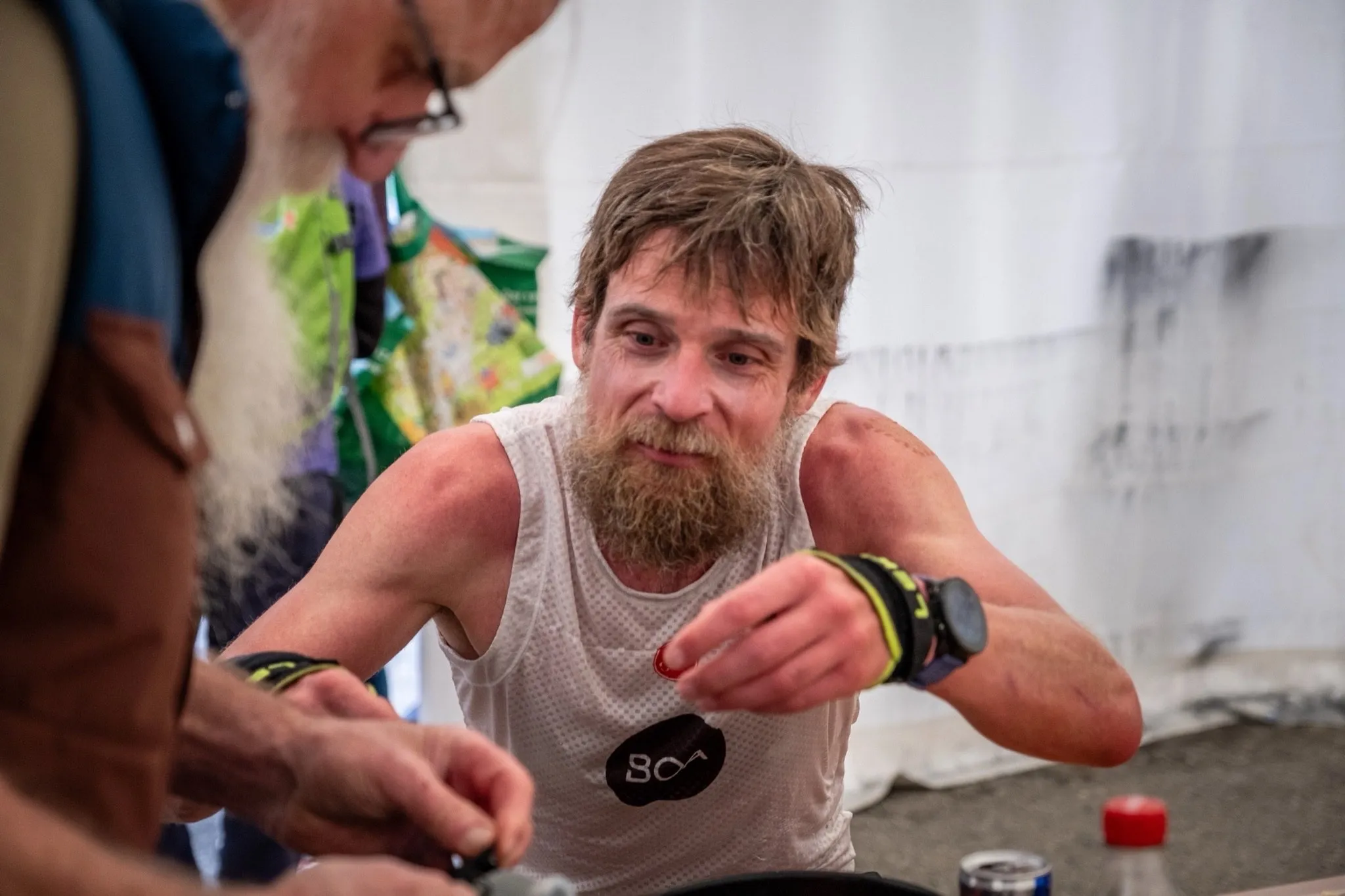
The pasta war in Ollomont
Some race moments sound invented afterwards. At the Ollomont aid station, I ordered pasta and sat with Sange Sherpa. Suddenly, a plate of carbohydrates became the centre of a confrontation between Sange and my father, who was supporting me. A father’s ancient protective instinct met a Nepalese runner who also had 150 kilometres in his legs.
Whatever calm I had expected from Sange had disappeared.
That is what an ultra can really look like: an exceptional state in which everyone’s mask slips, whatever their level.
No sleep, loud music and an unexpected comeback
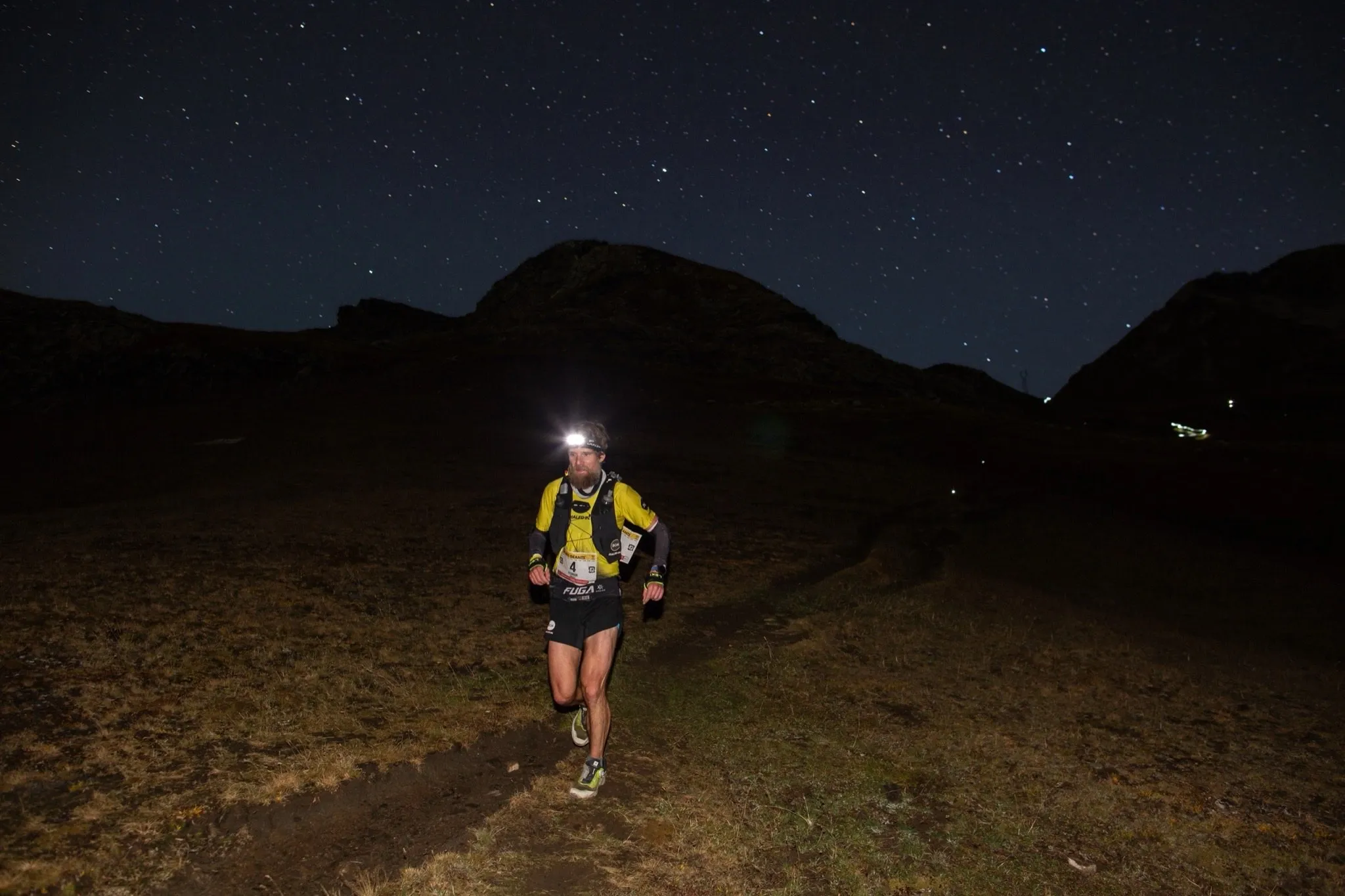
The night was brutal. Loud music in the sleeping area, no sleep at all, and mentally at rock bottom. Afterwards, I could not find my running rhythm. Eventually, I lay down for another two hours because it no longer seemed to matter.
And then, out of nowhere, I was back in the race.
That is hard to explain outside ultras. There is no obvious rational reason why things suddenly work again after 48 hours. Sometimes they do; sometimes they do not. This time, they did.
78 hours, pizza, beer and an unforgettable massage
At the finish, I was exhausted but satisfied. First came a birthday song for my father, then pizza and beer. By 6:30 pm, I wanted only bed.
My father had other plans and spontaneously arranged a massage. I tried to object, had no chance, and minutes later stood looking utterly miserable in front of an Italian masseuse. My back was manageable. My feet less so. My thighs even less. When she pressed my stomach after 78 hours of gels and carbohydrates, I jumped up, rushed to the toilet and never came back.
The bloated stomach after the TOR was a bigger challenge than the TOR itself.
What still stays with me months later
The next day, over my third beer, I was discussing rules and infringements with other runners. Then came word of video evidence of other athletes breaking rules. A protest might have put me on the age-group podium.
I left it alone. It was not my style.
On Thursday evening, we packed and left at 9 pm. Dad and I drove through the night, changing drivers every hour or two. Home at seven on Friday, breakfast with the family, then the bakery and bouldering gym with the children on Saturday.
I was immensely happy to be back in real life. Still, missing Sunday’s award ceremony hurt.
Two perspectives, one truth
What makes the article powerful is that, while I was already home thinking about missed podium opportunities, Marianne was still fighting through a fourth and fifth night. Hallucinations, rocks suddenly appearing in front of her face, and the question of whether she could continue at all.
Then Sunday: Marianne at the finish, the whole town celebrating, tears. 145 hours.
The same route, twice the time, at least as much achievement. A results list will never explain that.
Back to the TOR — because I am not finished with it
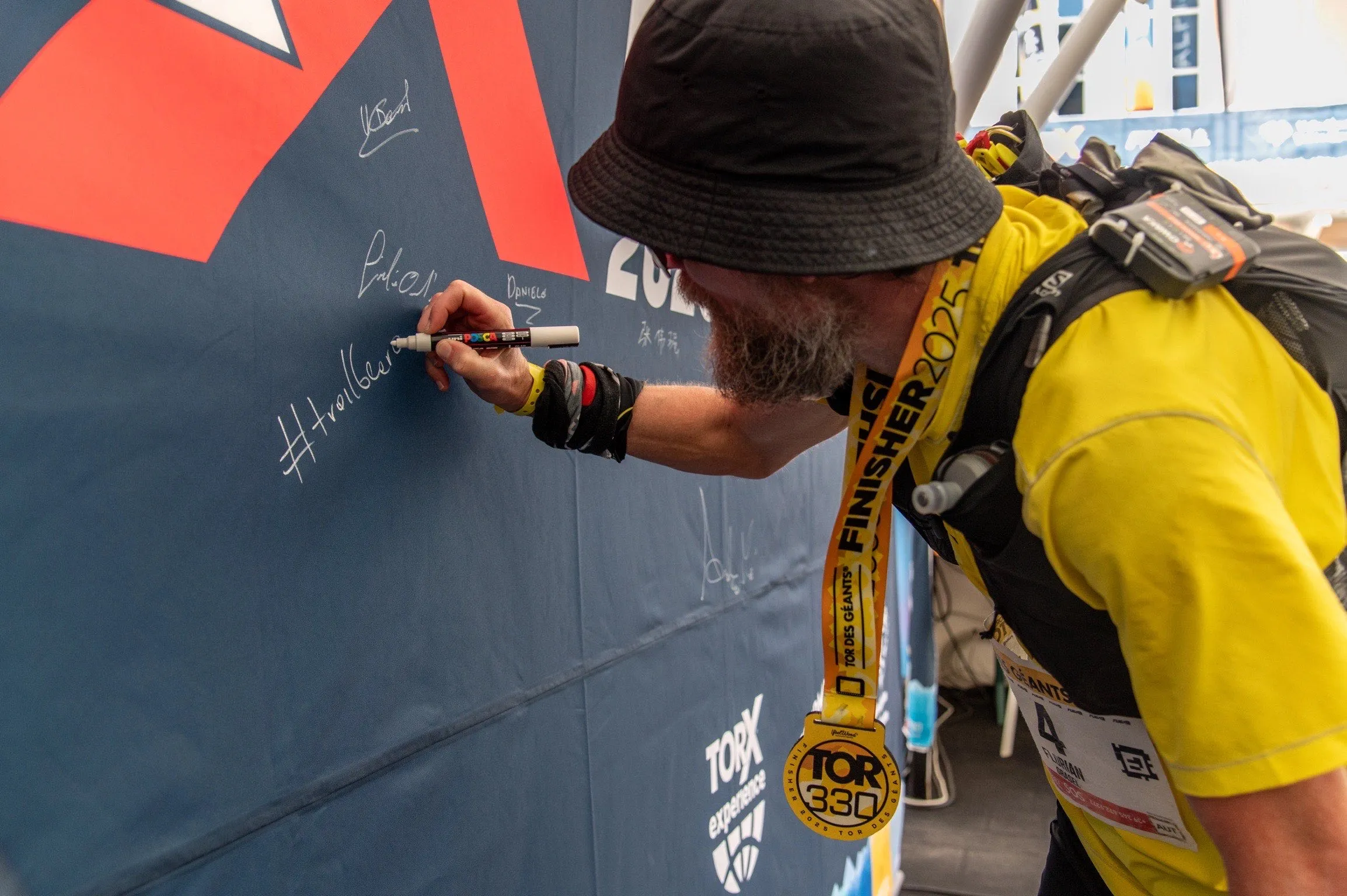
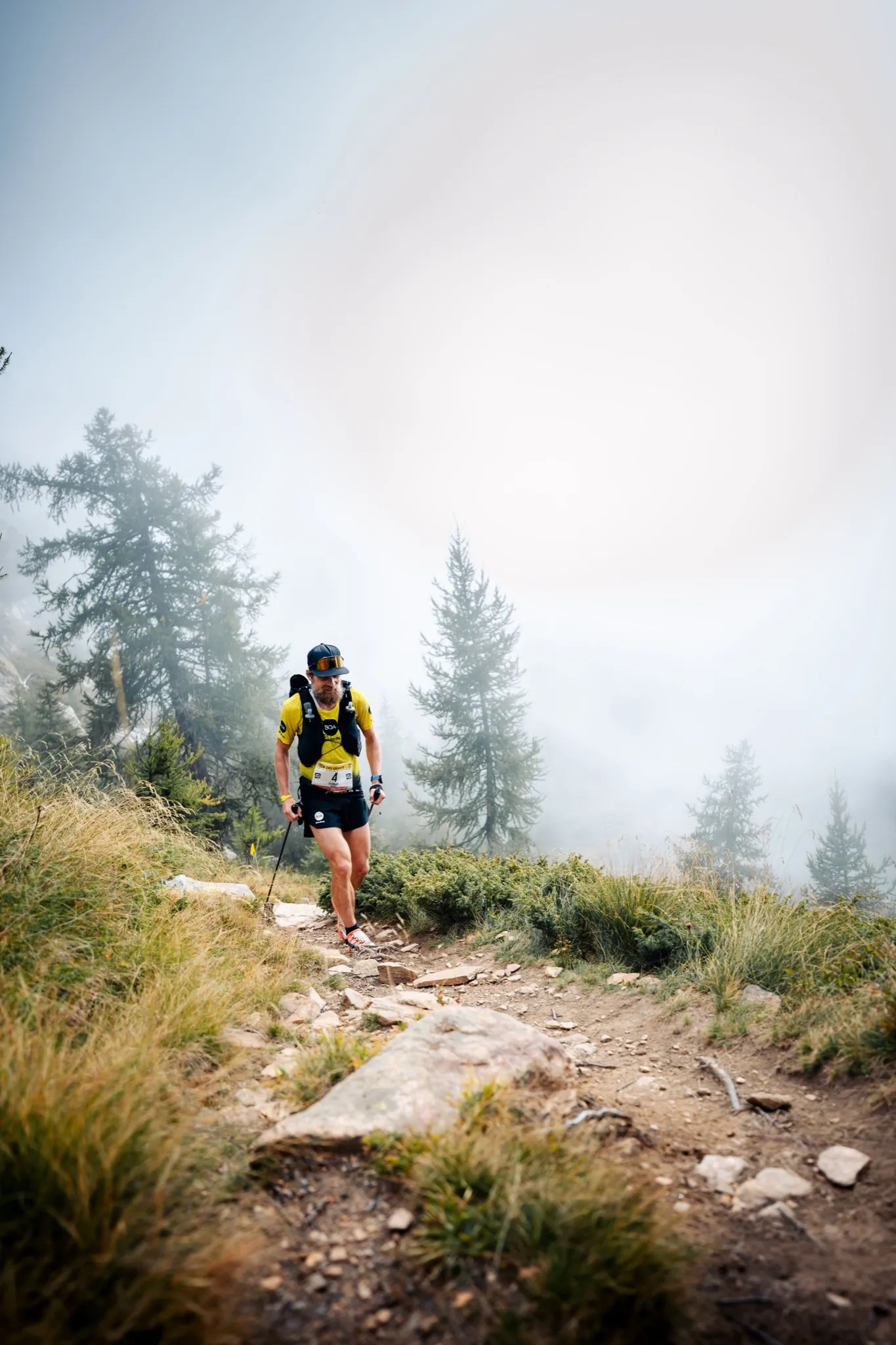
The TOR is an epic adventure. Parts of the landscape feel untouched, with sunrises and sunsets you never forget. But to race at the front, you need a large support team and detailed knowledge of the route. I know that now.
That is why I will run the TOR 330 again. Everything that went wrong taught me something. I want to take on the challenge again and do better, understanding how the system works and preparing accordingly. This time, I will bring more than a knife to the gunfight.
Egon Theiner’s full article appeared in issue 4/2025 of Running & Fitness.
More about the TOR des Géants:
Interested in a talk?
On stage, I bring together my experiences as an entrepreneur and ultra trail runner: decisions under pressure, responsibility, and balancing performance, work and family.
Enquire about a talk