From Bad Erlach to the Aosta Valley
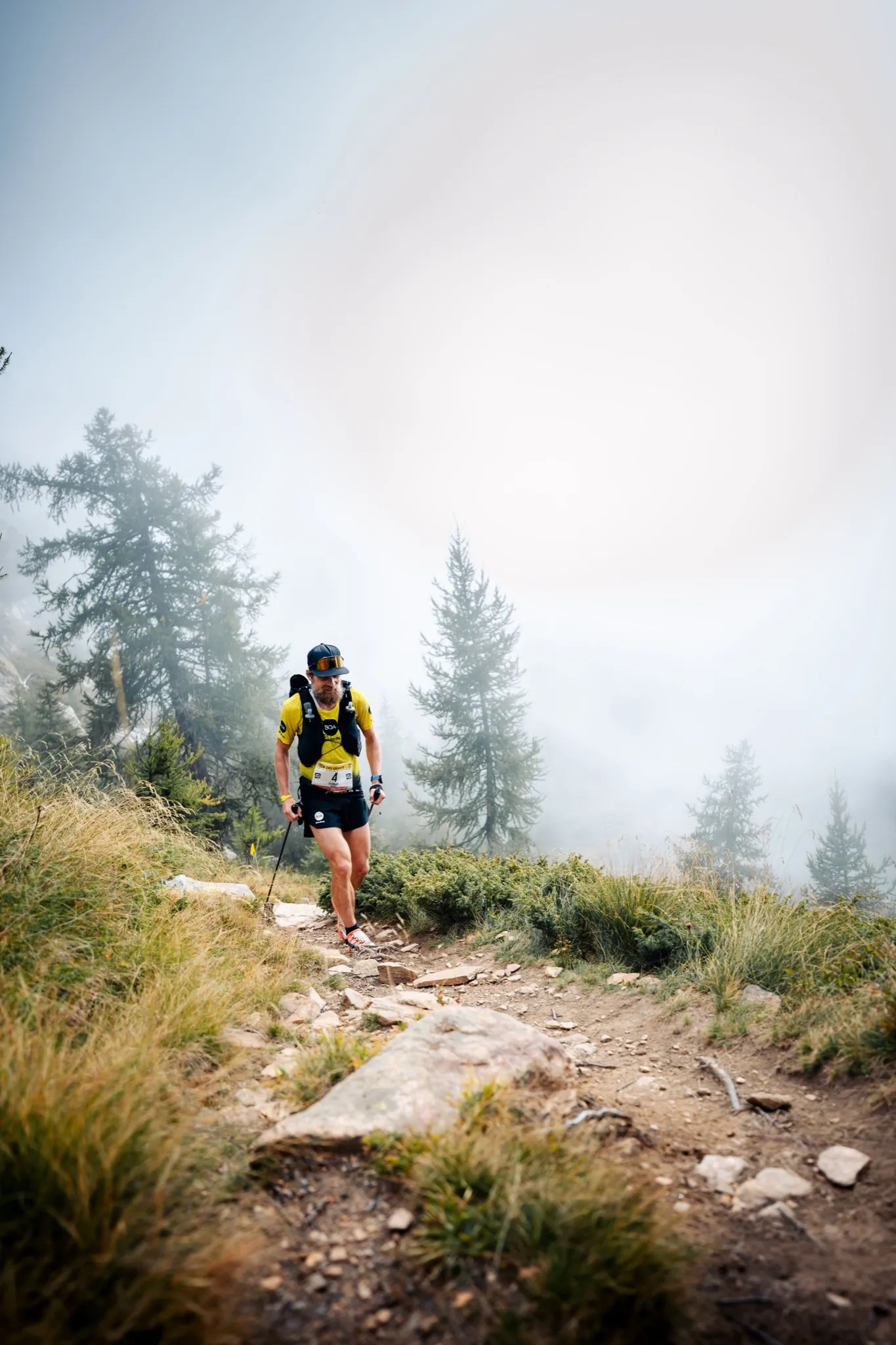
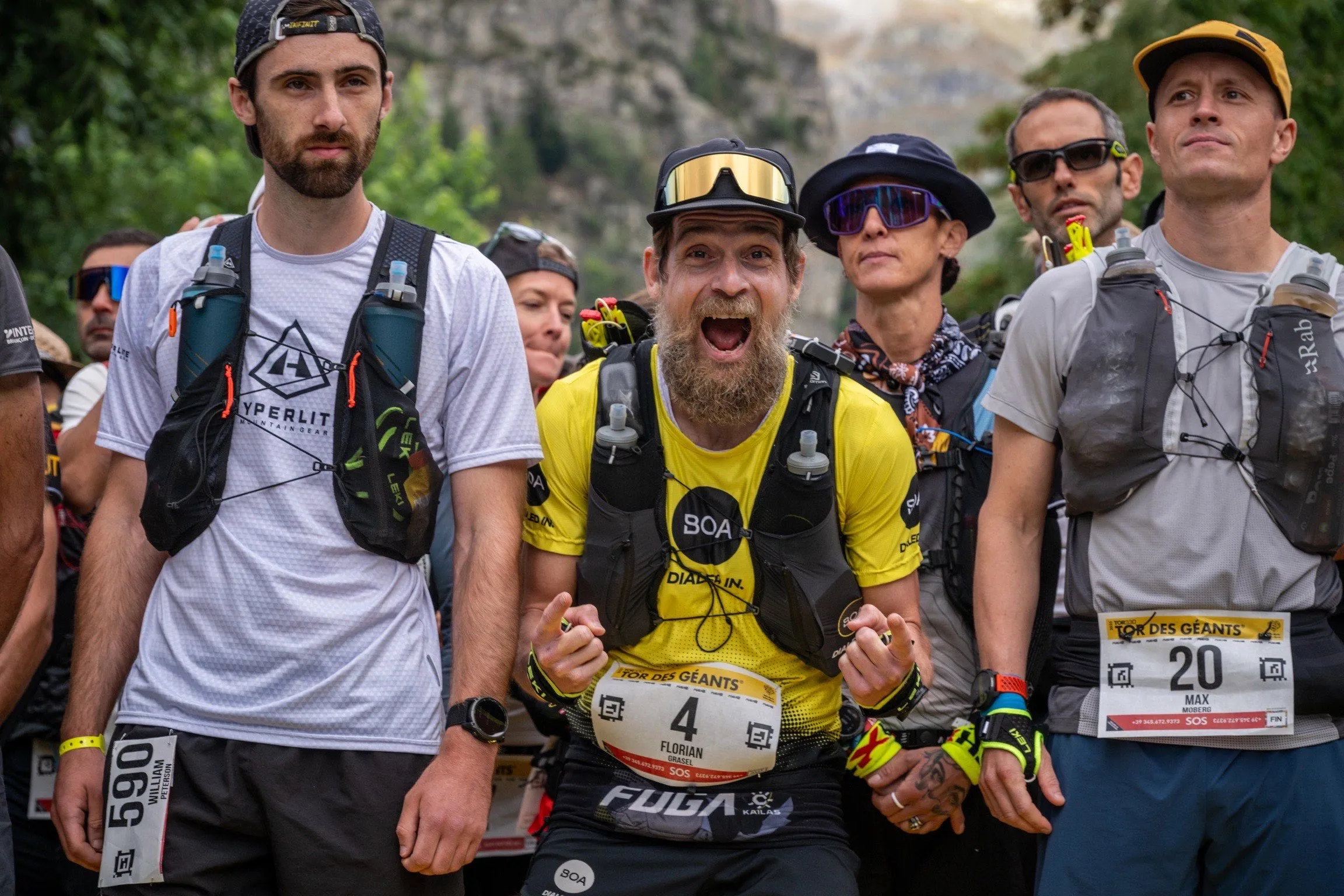
A few days ago, I joined Wiener Neustadt’s local television station WNTV. Our conversation about the Tor des Géants 2025 became an in-depth discussion of mental strategies, logistical challenges and a question: what drives someone to run 330 kilometres with 25,000 metres of climbing in 78 hours?
The Tor des Géants is regarded as one of the world’s toughest ultras, and rightly so.
What the numbers leave out
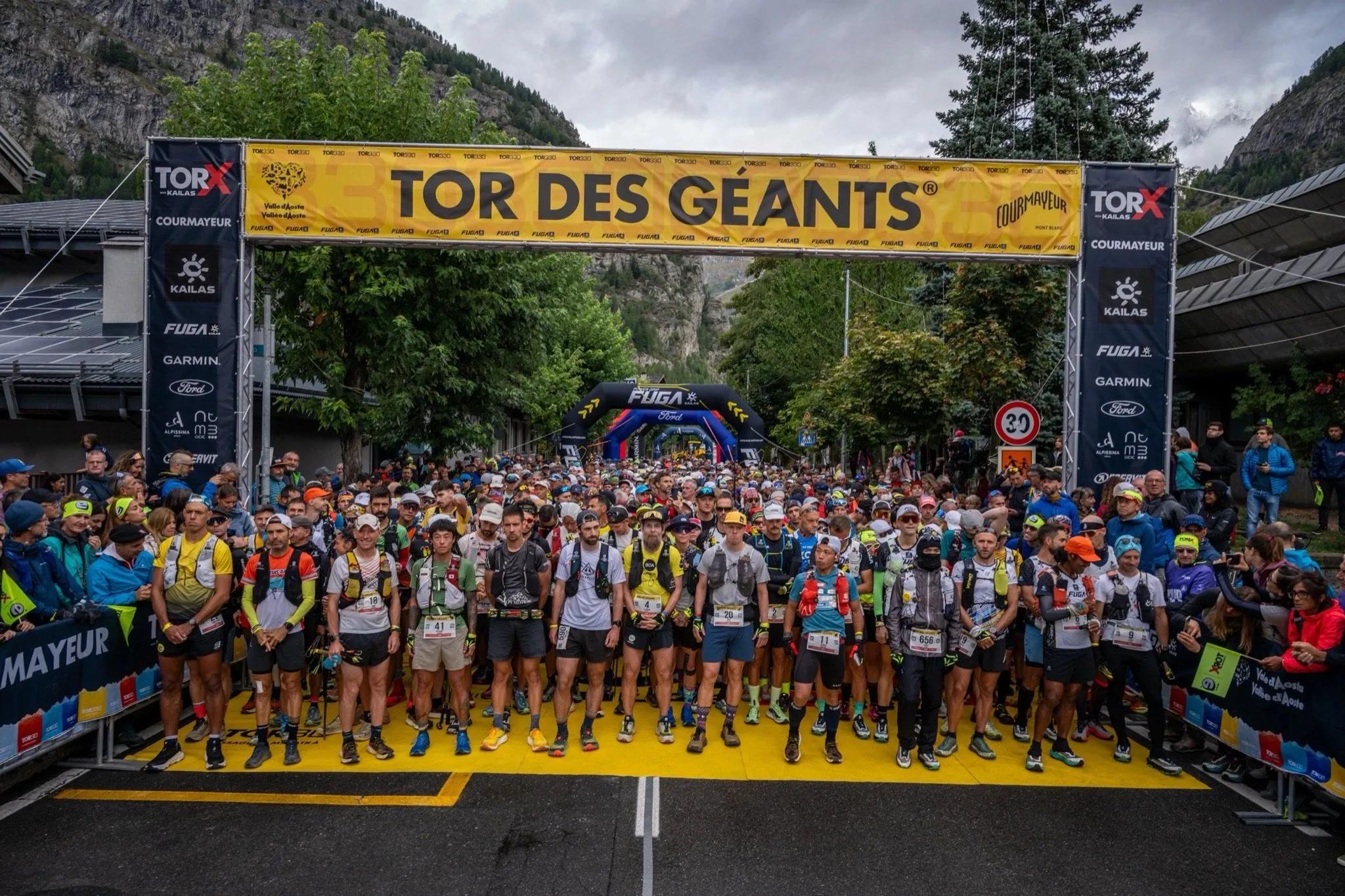
330 kilometres. 25,000 metres of climbing. 78 hours. Four hours of sleep. Tenth place.
Those numbers describe a race, but say nothing about the moments in between. The night when live music at an aid station kept me awake. Hour 40, when I seriously considered quitting. The forgotten earplugs that almost undid everything.
That was what I talked about on WNTV: the unfiltered story behind the result.
“I brought a knife to a gunfight”
That describes how I felt in the first quarter of the race. After second place at PTL 2024, I believed I could reach the podium. But the TOR has its own rules, as I explain in my detailed race report.
My plan was to meet my father — 76 years young — at a major aid station every 50 kilometres. In reality, support was permitted at stations every 10–12 kilometres. The leading runners carried around two kilos; I carried at least two or three kilos more over 25 passes.
That was my biggest mistake and my most important lesson.
The red stop sign
My most important mental technique is to picture a huge red stop sign when negative thoughts begin to spiral. And at an ultra, they inevitably do. The sign triggers a prepared checklist:
How am I really doing? Is there a real danger? Am I here by choice? Do I want to find out how far my feet can carry me?
Those questions bring clarity. Usually, the answer is: I can still do this, so keep moving.
The two hours that saved my race
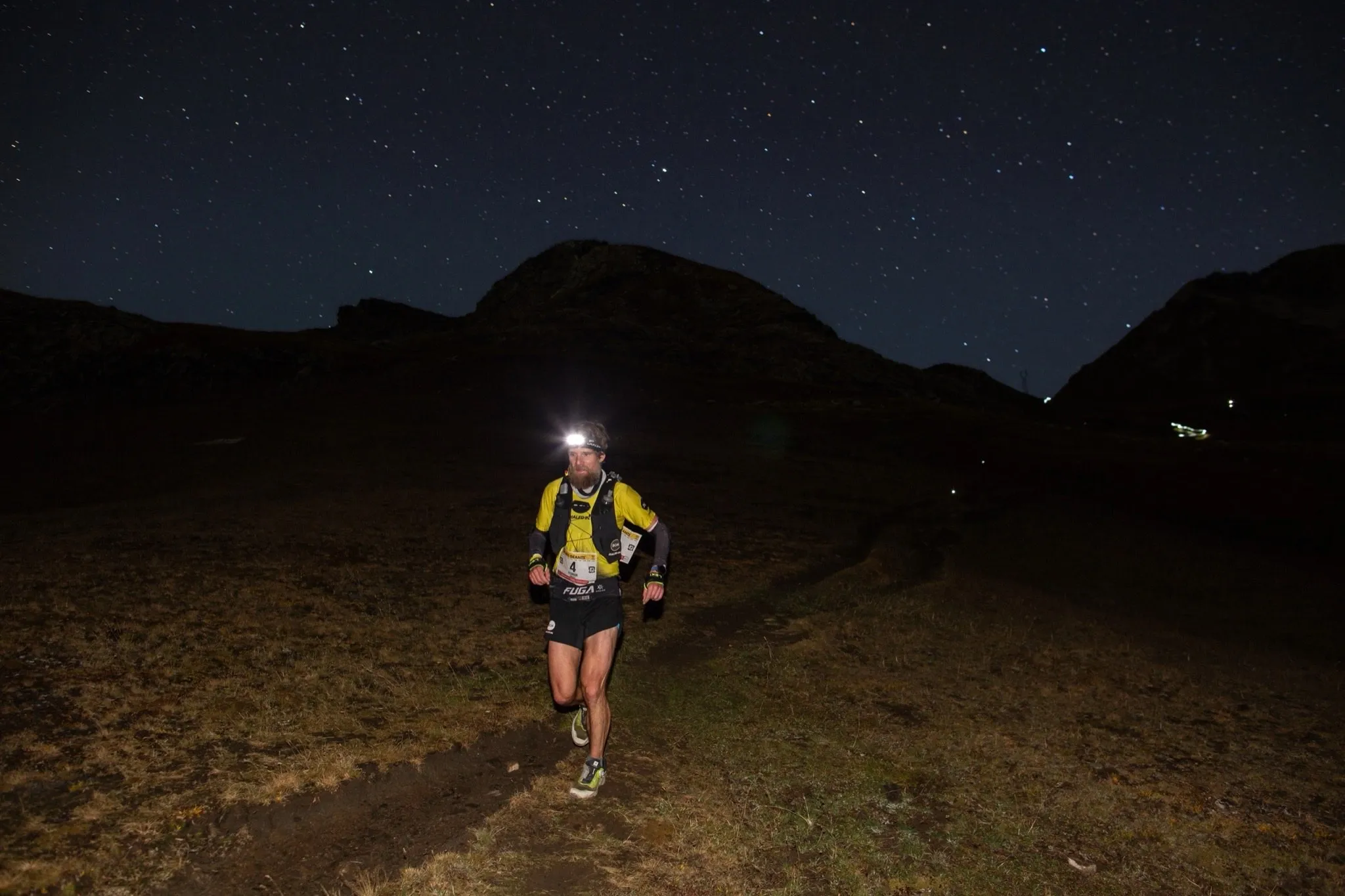
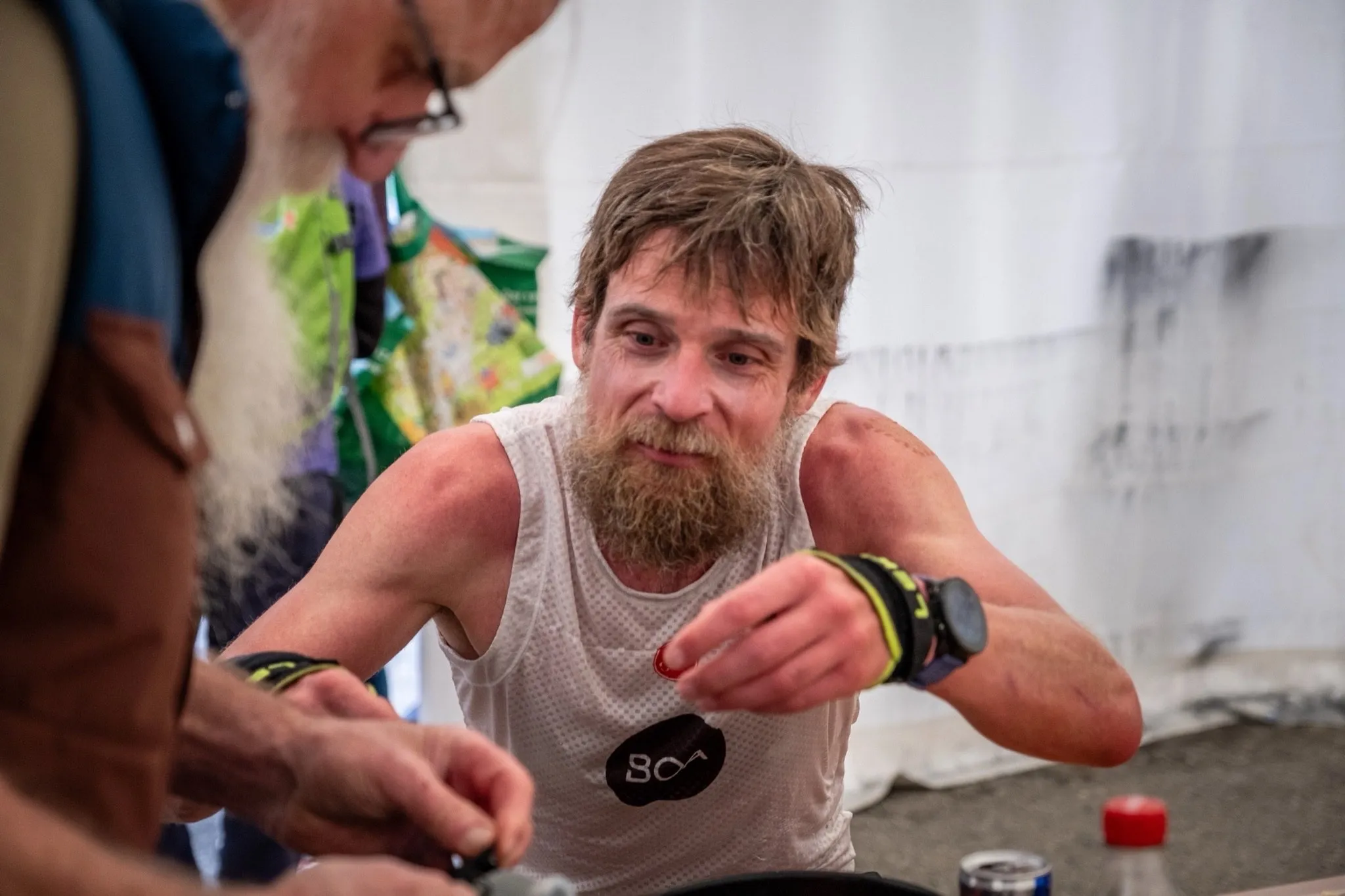
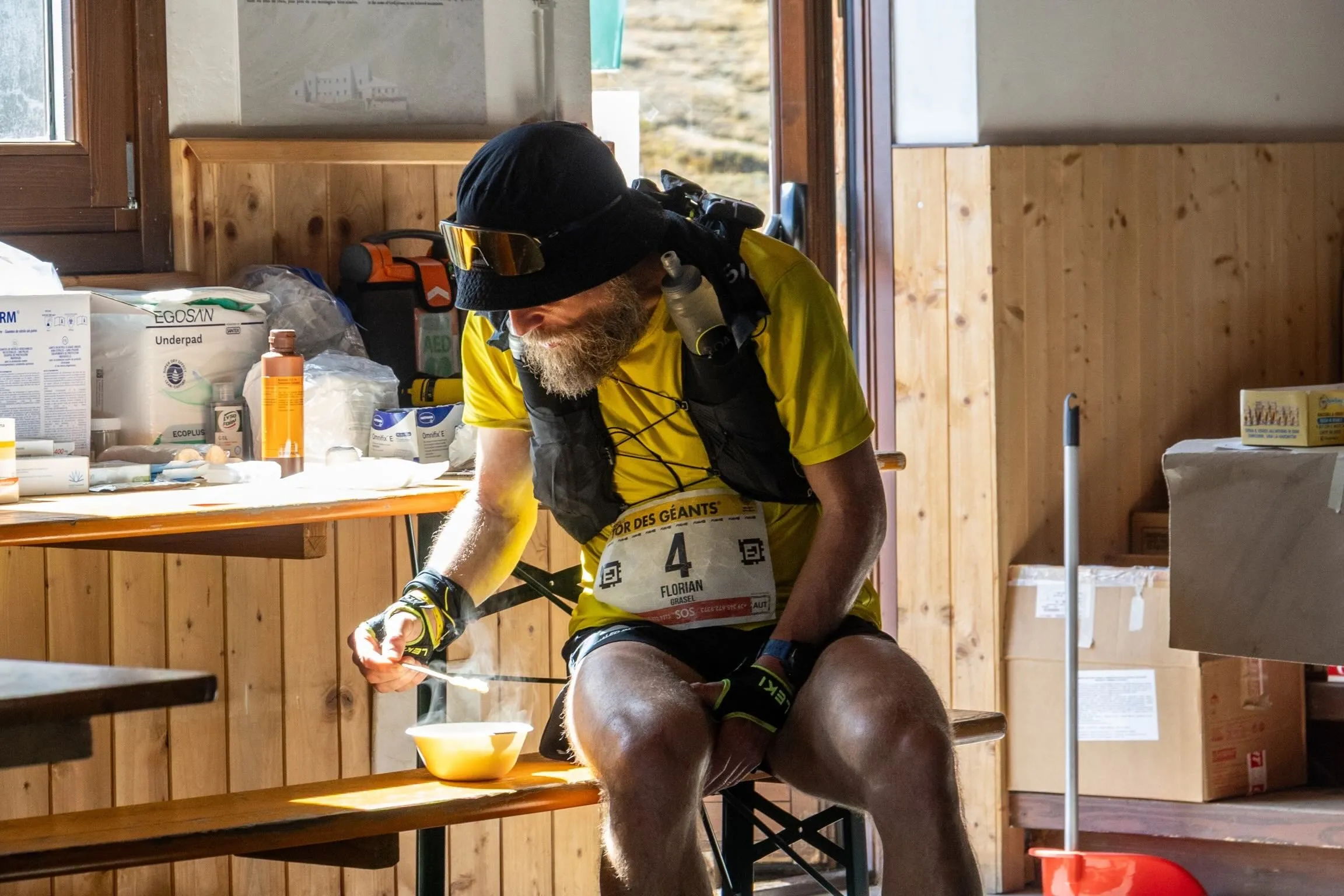
At kilometre 200, after 40 hours without proper sleep, I was finished. My muscles were cold after a long night, and I could no longer run. I lay down for two hours with a clear decision: if I did not improve, I would withdraw.
What happened was remarkable. After just two hours, I had recovered enough to run again. Giving my body the minimum recovery it needed changed everything.
The infinite game — and why I never take painkillers
Inspired by Simon Sinek, I think of this as an infinite game. A race is a short-term goal. My longer-term goal is to be in the mountains with my children when I am 60 or 70.
If I risk lasting physical harm, I stop. No painkillers and no pushing through pain at the expense of being able to keep playing.
A few years ago at Hochkönigman, I withdrew after falling on my lower back because I believed continuing risked a slipped disc. Knowing when to stop is part of mental strength too.
The problem with training in the lowlands
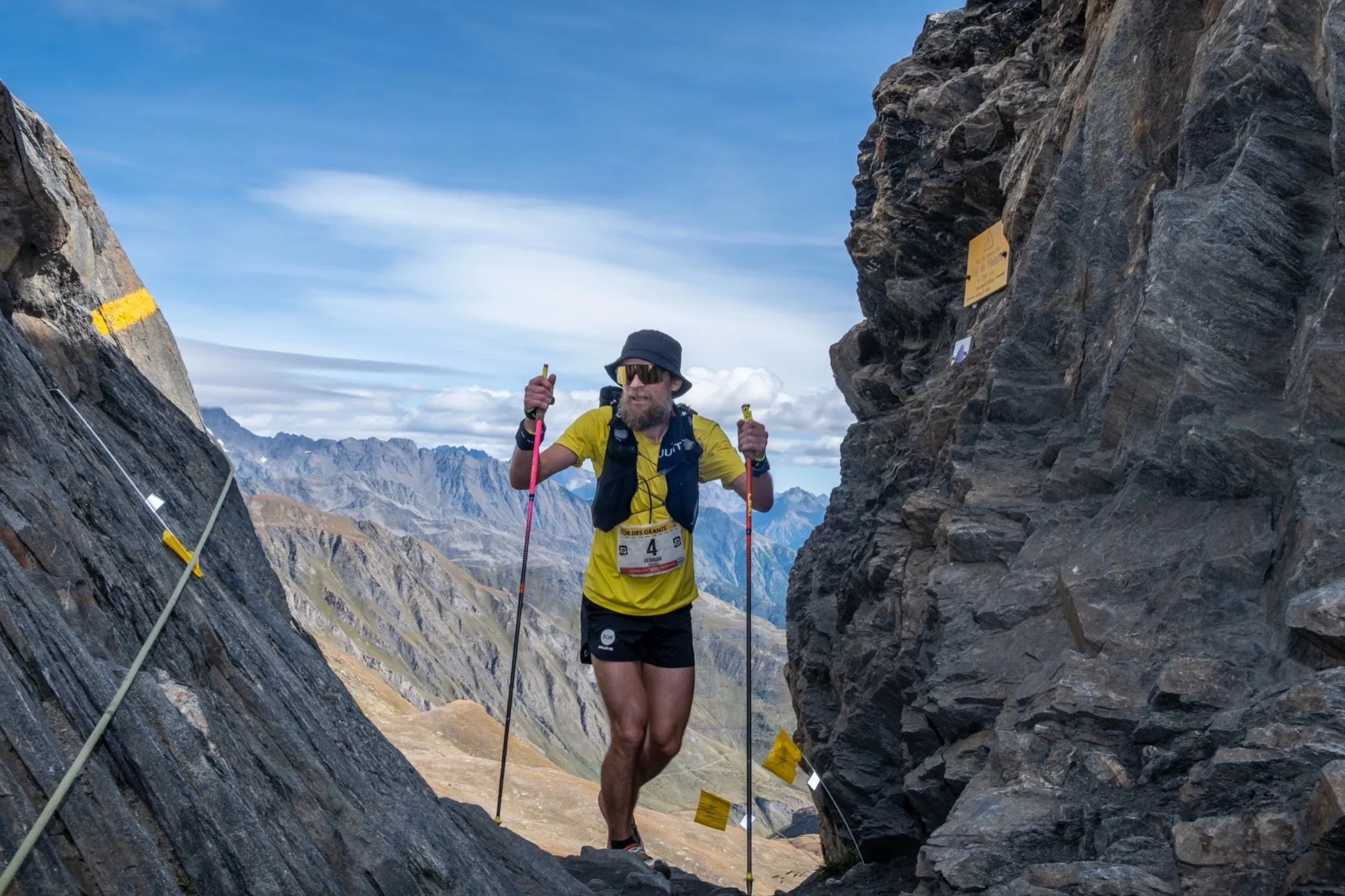
I train in Bad Erlach, around 300 metres above sea level. The rolling hills of the Bucklige Welt are hardly ideal preparation for a race that stays above 2,000 metres and crosses passes up to 3,300 metres.
My acclimatisation consisted of one night at the Stüdlhütte near the Grossglockner. In hindsight, far too little. Next time, I need to plan at least a week at altitude.
What sport and business teach each other
As CEO of an IT company, I deal with crises, IT problems and staff absences. An ultratrail is a powerful metaphor for that life: there are always lows, and eventually another high follows.
At the TOR, you can be alone on a freezing pass at 3 am, hurting everywhere. Then the sun rises, the valley opens, and you remember why you are there.
Business has its equivalent: the pandemic, crises and setbacks, followed by a breakthrough, a successful project or a moment when it all makes sense.
The skill is to work through the lows, learn and keep going.
Fitting in 12–15 hours of training a week
How do I manage 12–15 hours, and up to 25 in peak weeks, alongside family and a company? I integrate training into everyday life.
- We sold our second car, removing the temptation to drive to work in bad weather.
- I run or cycle from Bad Erlach to the office in Wiener Neustadt.
- I often join family outings on foot or by bike.
- I sometimes arrive sweaty at Sunday lunch in a restaurant, with considerable understanding from my family.
Last year, that added up to 300,000 metres of climbing. Training has become part of my life and how I handle stress.
The three parts of #lifeworktrailbalance
- LIFE: family, values and the question of why
- WORK: leadership, crisis management and adapting strategy
- TRAIL: mental strength, physical limits and perseverance
These parts reinforce each other. Every ultra teaches me something I can use at work; every business crisis trains mental muscles I can use in the next race.
What comes next?
The honest answer is that I do not yet know. I am interested in returning to the TOR because I know I can do better. With support every ten kilometres, better logistics and proper acclimatisation, I believe I could run under 70 hours.
But is the logistical effort worth it? Do I need that for myself?
An alternative would be the 450-kilometre event with 40,000 metres of climbing: longer and harder, but with less support and more self-sufficiency. That feels purer and might suit me better. Or perhaps it will be something entirely different. The infinite game continues.
Watch the interview
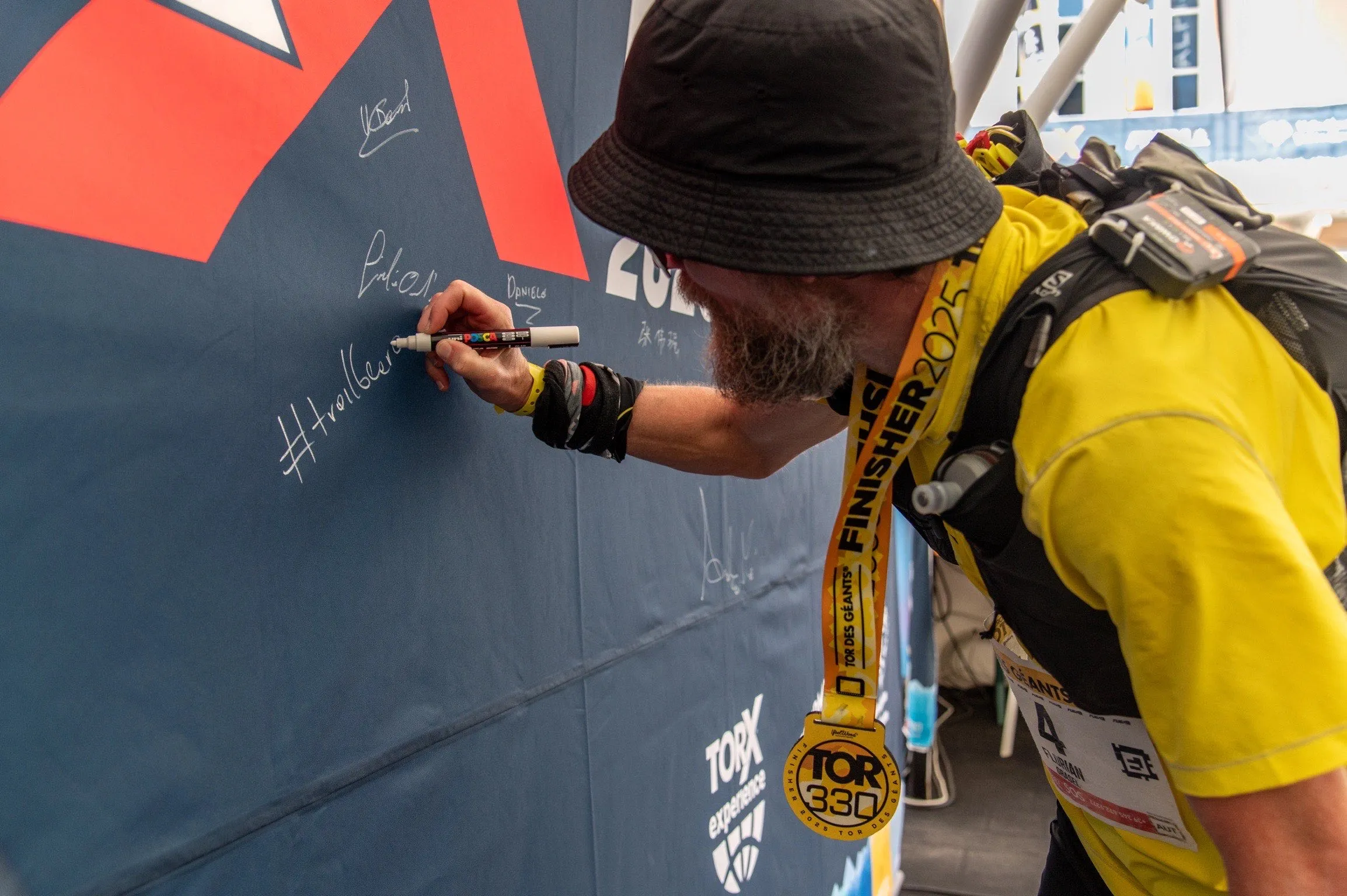
The full WNTV conversation is available here: half an hour of honest insight into the mental and physical demands of one of the world’s toughest ultras.
Interested in a talk?
On stage, I bring together my experiences as an entrepreneur and ultra trail runner: decisions under pressure, responsibility, and balancing performance, work and family.
Enquire about a talk